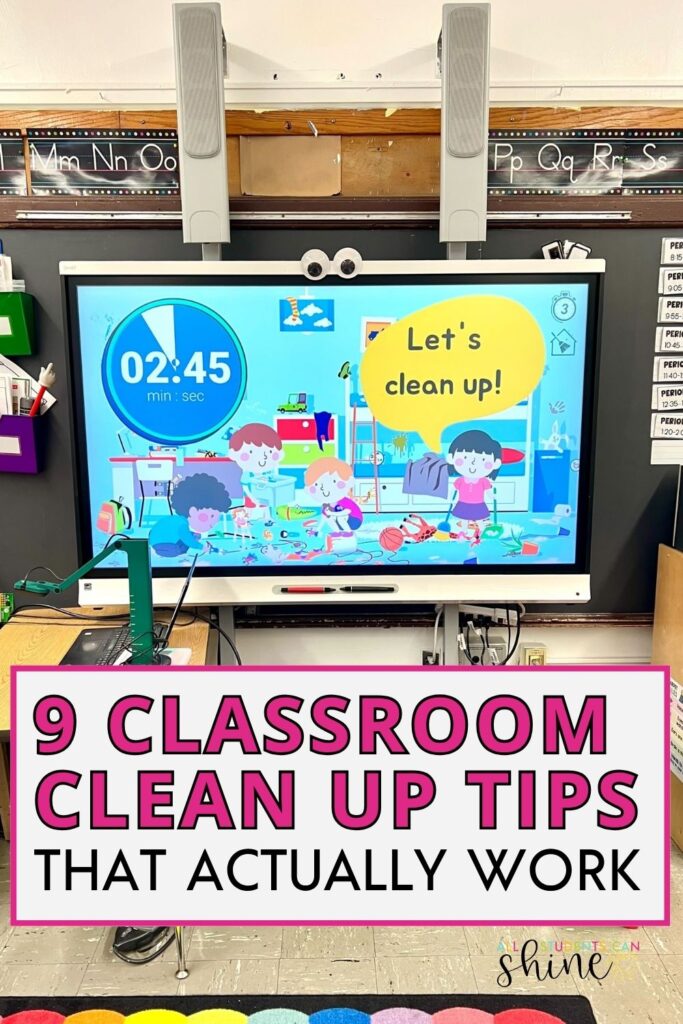
Classroom clean up routines help students build responsibility, teamwork, and independence while keeping your classroom organized and calm. Simple strategies like assigning jobs, using timers, adding games, and offering small rewards can make clean up time faster and more fun for students in grades PreK–5.
Keeping a classroom clean can feel like a full-time job some days. Between art projects, interactive notebooks, crayons, pencils, and tiny scraps of paper everywhere, it’s easy for the room to get messy fast. The good news? Clean up time does not have to feel stressful or chaotic.
What You’ll Learn
- Easy classroom clean up routines for elementary students
- Ways to make clean up time fun
- Simple classroom management tricks for transitions
- How to motivate students to clean independently
These classroom clean up tips make the process easier while helping students take ownership of their classroom space.
1. Assign Students Specific Items to Pick Up
Instead of telling the whole class to “clean up everything,” give each student one specific goal.
For example:
- Pick up 2 crayons
- Find 3 pieces of scrap paper
- Collect 4 pencils
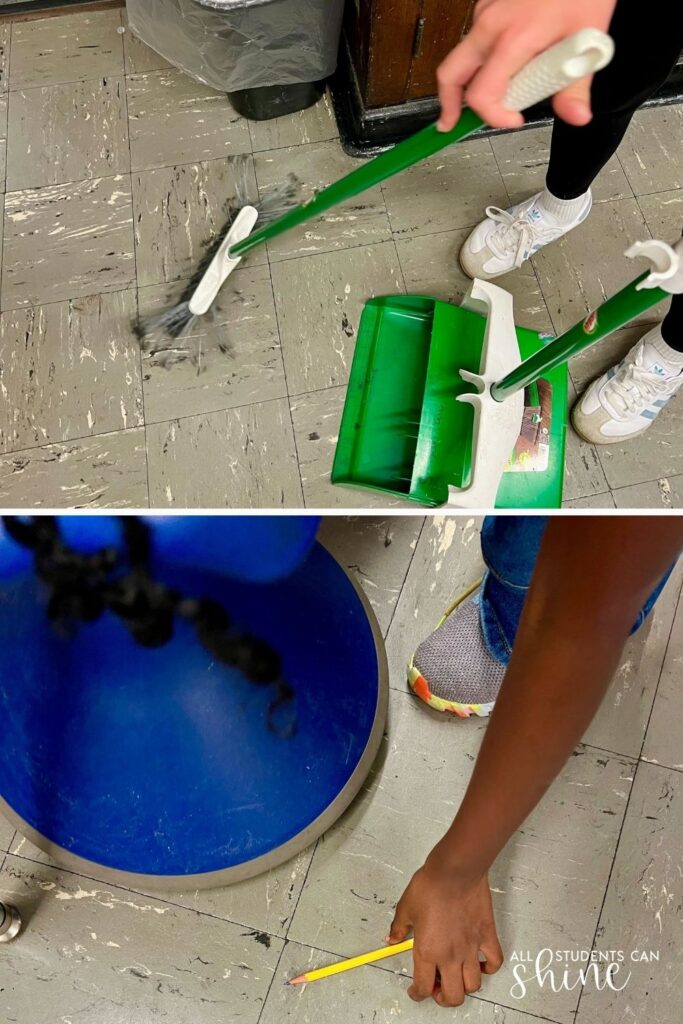
This keeps students focused and makes clean up feel more like a game than a chore.
2. Use a Classroom Clean Up Song
Students love routines, especially when music is involved. Playing a clean up song signals that it is time to transition.
You can:
- Play a clean up song on your Smart Board
- Use the same song every day for consistency
- Let students sing along while they clean

Music helps students stay engaged and keeps the energy positive.
3. Assign Classroom Cleaning Zones
Give students responsibility for certain parts of the room.
You might assign:
- Table areas
- Reading corners
- Supply stations
- Classroom library shelves
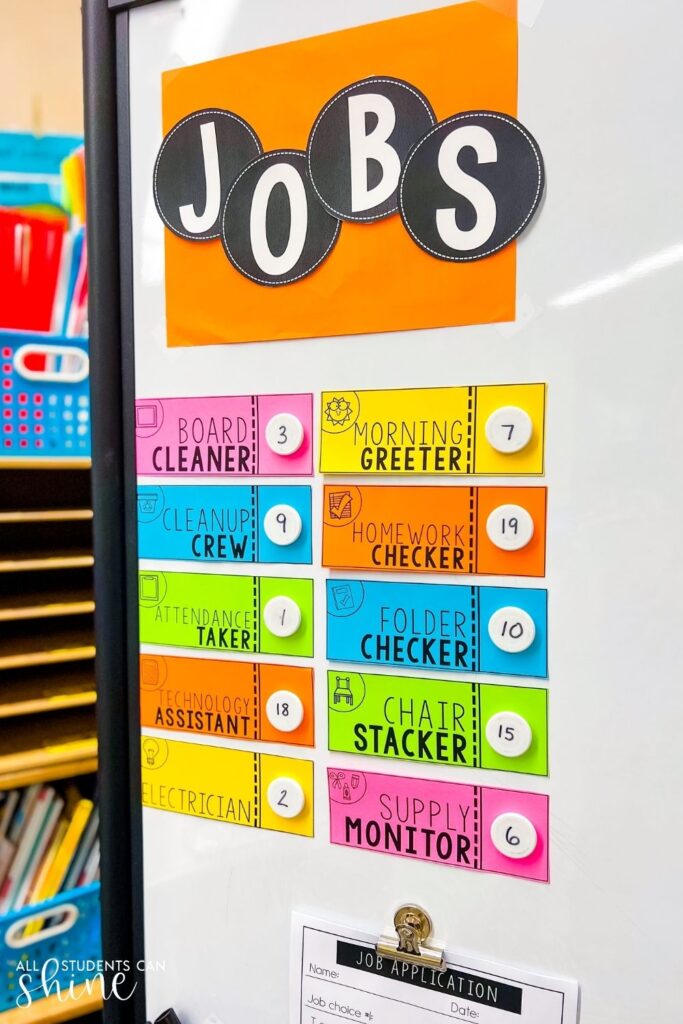
Some teachers rotate jobs daily, while others keep the same jobs all week. Try both to see what works best for your class.
4. Turn Clean Up Time Into a Game
Adding games during clean up keeps students motivated and moving.
A few easy ideas:
- Freeze Dance
- Simon Says
- Race the Timer
- Clean Up Relay
For example:
“Simon says put away your markers.”
“Simon says pick up two papers.”
“Simon says do 5 jumping jacks.”
Students get a quick brain break while still getting the classroom cleaned.
5. Use the “Mystery Paper” Trick
This is one of my favorite classroom clean up strategies.
Before students begin cleaning, secretly choose one piece of paper on the floor as the “mystery paper.” Tell students that whoever picks up that paper wins a small reward.
It is amazing how quickly students start cleaning when they know there is a mystery winner.
Rewards can be simple:
- Treasure box prizes
- Stickers
- Candy treats
- Extra computer time
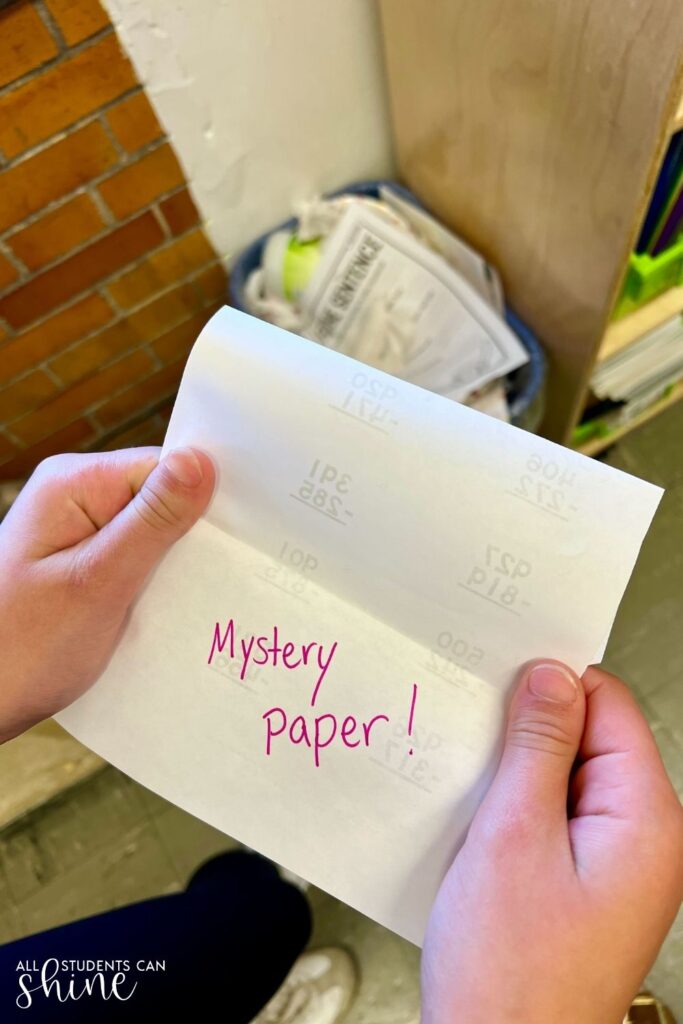
Students love the excitement of the game.
6. Praise Students While They Clean
Positive reinforcement makes a huge difference during transitions.
As students clean:
- Give high fives
- Notice students making good choices
- Compliment teamwork
- Celebrate fast helpers
Even small encouragement helps students stay motivated.
7. Offer a Simple Reward
A small incentive can encourage students to clean quickly and stay focused.
Some easy classroom rewards include:
- iPad time
- Computer time
- Stickers
- Pencils or erasers
- Classroom coupons
One trick that works especially well is handing finished students an iPad while the rest of the class finishes cleaning. Students stay occupied and motivated to finish quickly.
8. Keep Clean Up Time Short
Long clean up sessions can lead to distractions and loss of motivation.
Try to:
- Break larger cleaning tasks into smaller chunks
- Clean throughout the day instead of all at once
- Keep routines quick and predictable
Shorter clean up periods help students stay focused.

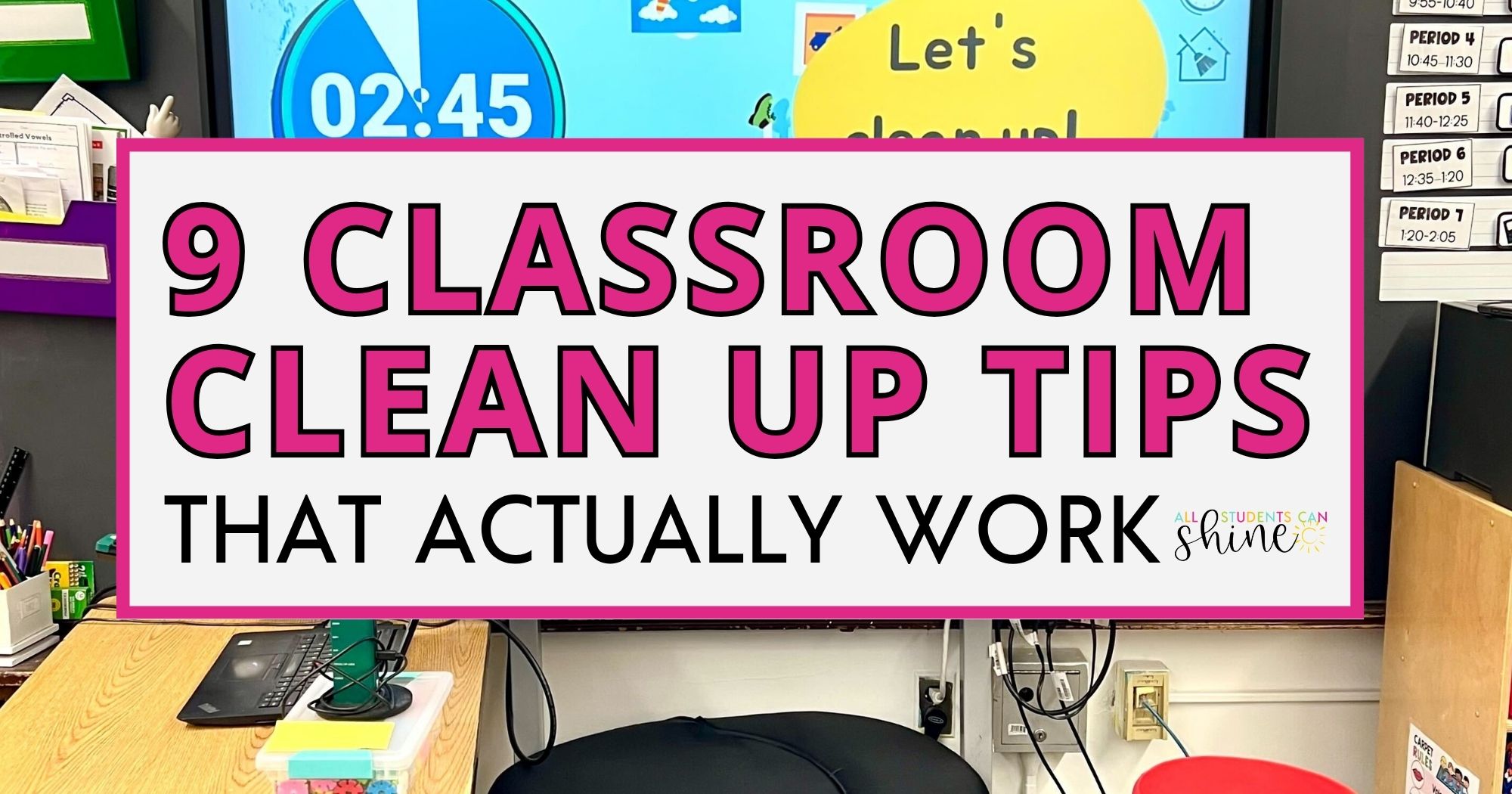
9. Use a Timer
Timers help students stay on task and add a sense of urgency.
You can:
- Set a 2-minute classroom clean up challenge
- Reward the class if they finish before the timer rings
- Display the timer on your Smart Board
Students often work much faster when they can see the countdown.
Quick Teacher Tip
If your classroom gets especially messy after art projects or interactive notebooks, plan an extra 2–3 minutes for clean up before transitioning to the next subject. Students clean more successfully when they are not rushed.
FAQ About Classroom Clean Up Routines
How do you make classroom cleanup fun?
Games, music, timers, and small rewards help make clean up more engaging for elementary students.
What are the best classroom cleanup rewards?
Simple rewards work best. Stickers, treasure box prizes, computer time, and classroom coupons are all effective options.
How long should classroom clean up take?
Most classroom clean up routines work best when kept under 5 minutes.
Key Takeaways
- Specific clean up jobs help students stay focused
- Music and games make transitions easier
- Timers encourage faster clean up
- Positive reinforcement motivates students
- Small rewards can improve participation
- Short clean up routines work best for elementary students
Want more classroom management ideas for elementary classrooms? Be sure to check out other teacher-tested tips for routines, transitions, and student engagement.