If your students need more hands-on math practice — but you don’t have time to prep complicated activities — this is for you.
We know young learners understand math best when they can touch, build, move, and see what’s happening. The challenge? Finding activities that are:
- Simple to prep
- Easy to manage
- Reusable all year
- Flexible for small groups, centers, and early finishers
That’s exactly why I created the Manipulative Math Flip Books.
These flip books turn the manipulatives you already have in your classroom into structured, meaningful math practice.
What Is the Manipulative Math Flip Book?
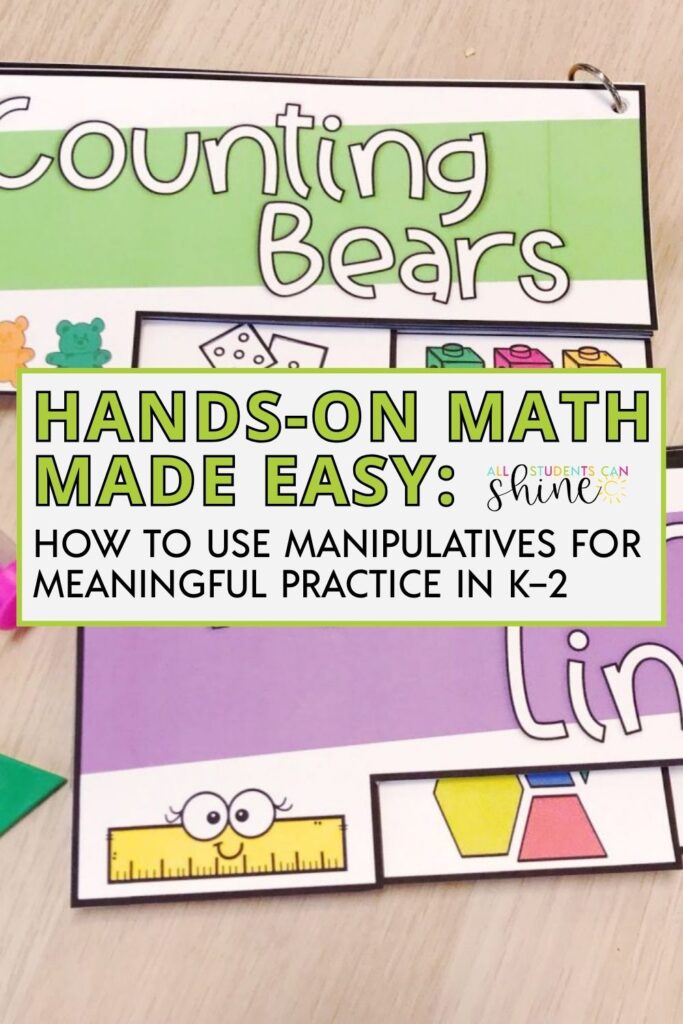
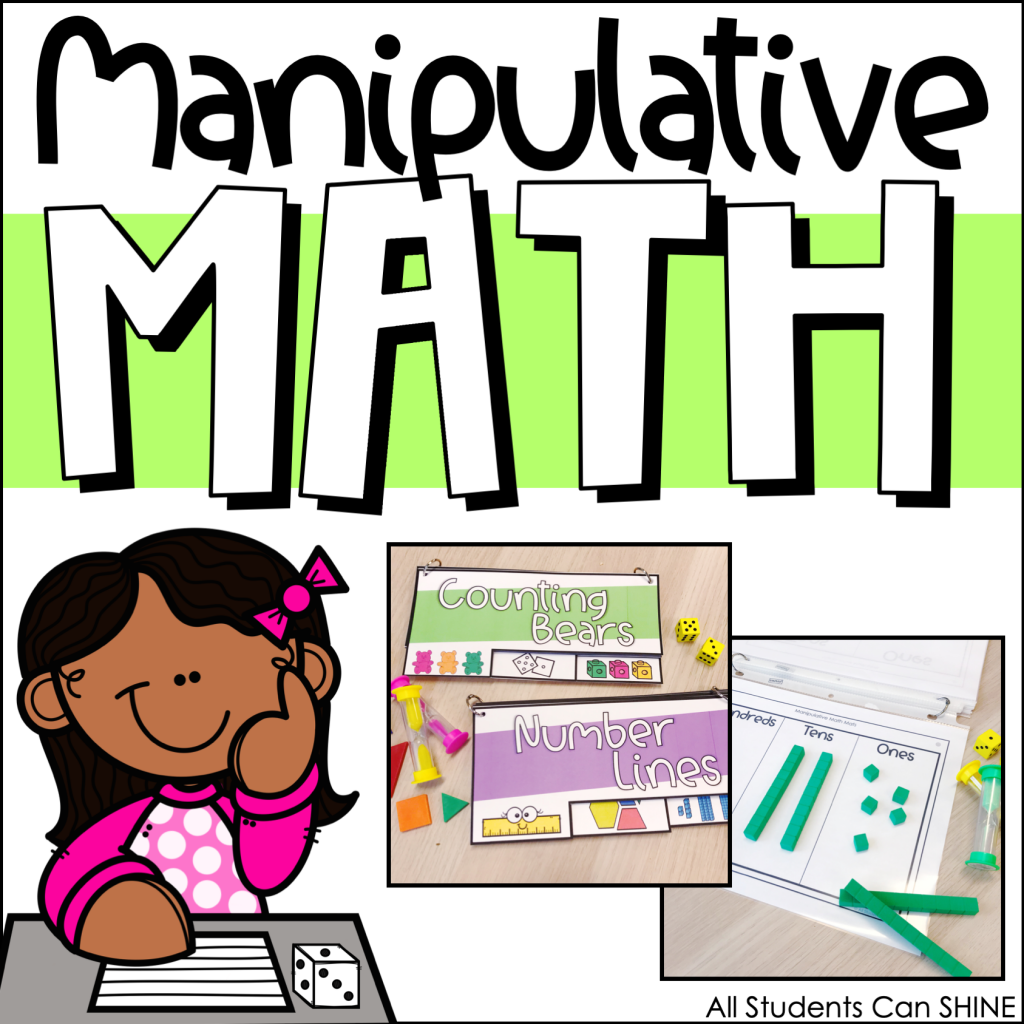
Manipulative Math is a set of hands-on flip books designed to keep K–2 students engaged while practicing important math skills.
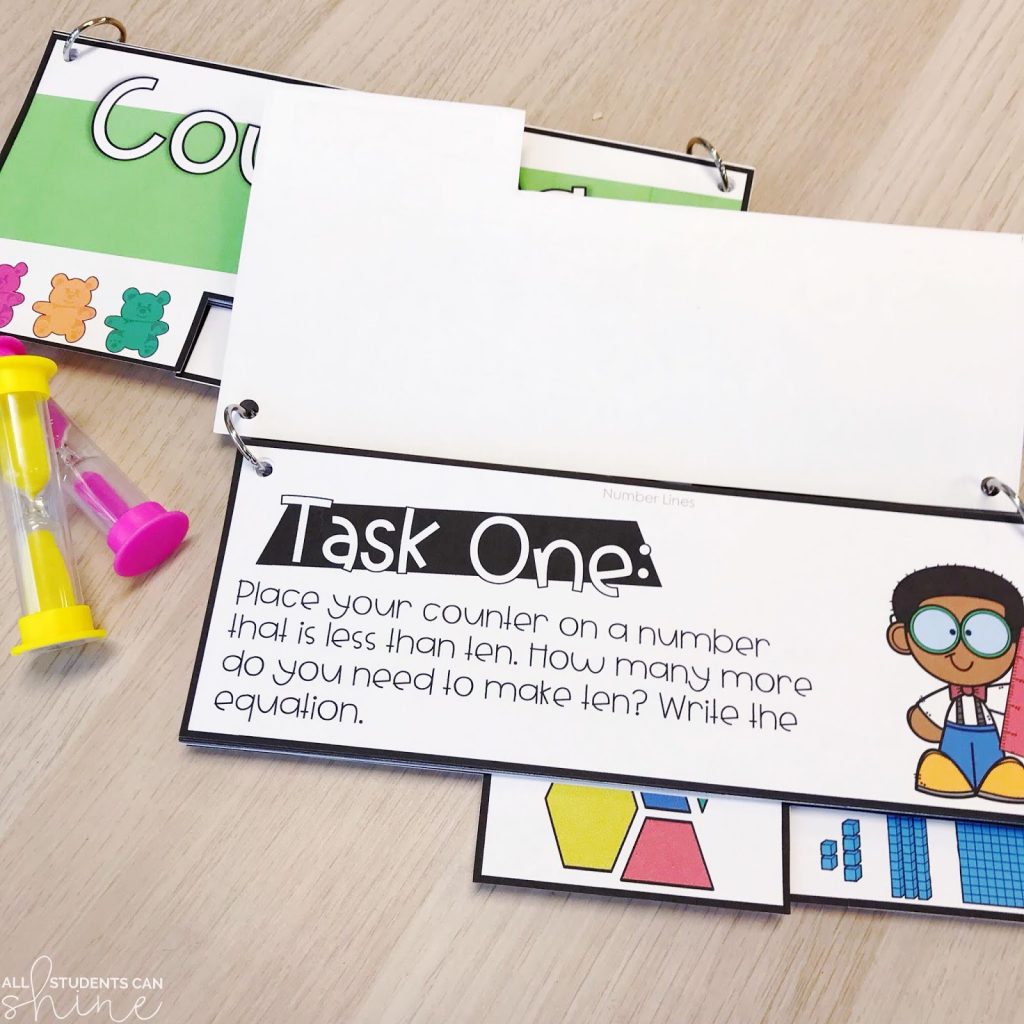
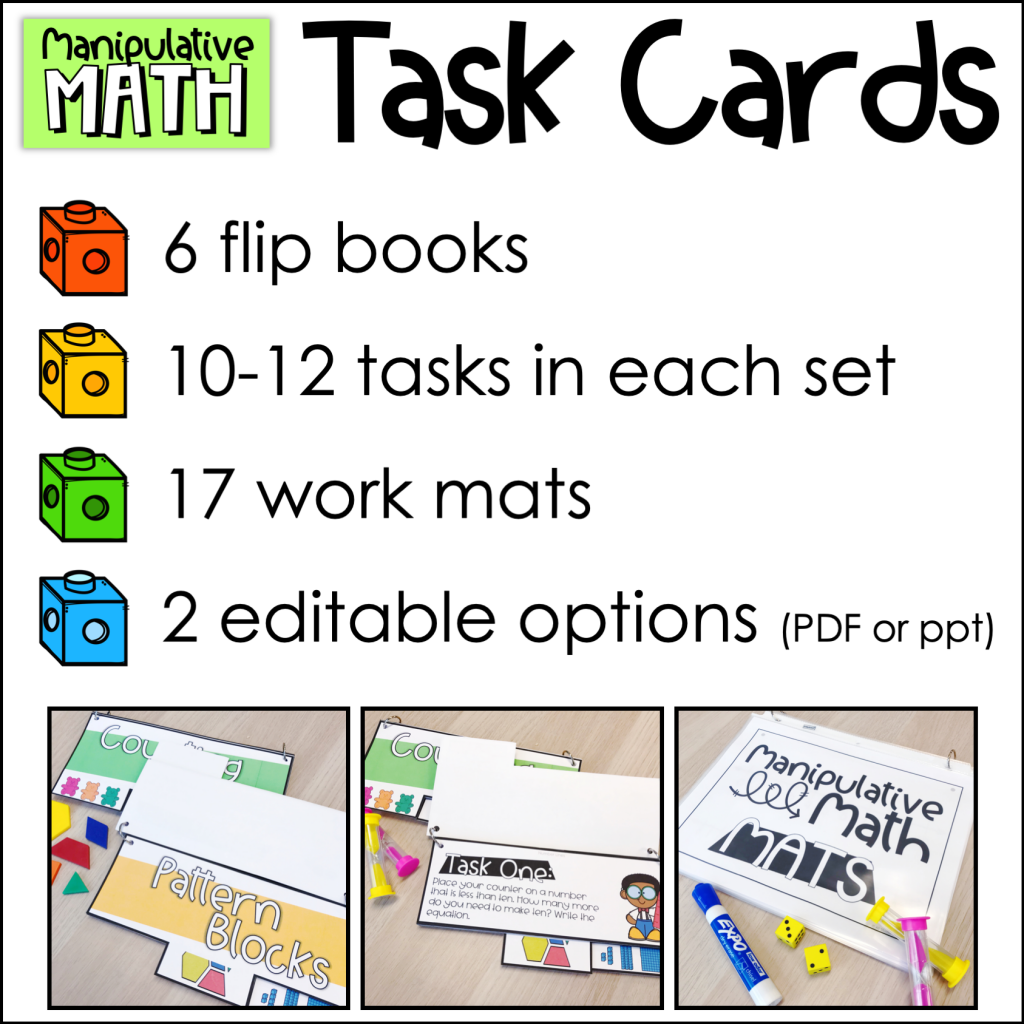
Each flip book contains 10–12 reusable task cards. Students can use the same cards again and again with different numbers, making this a low-prep resource that lasts all year.
Check out all the math flip books, manipulative math mats, and editable files too!
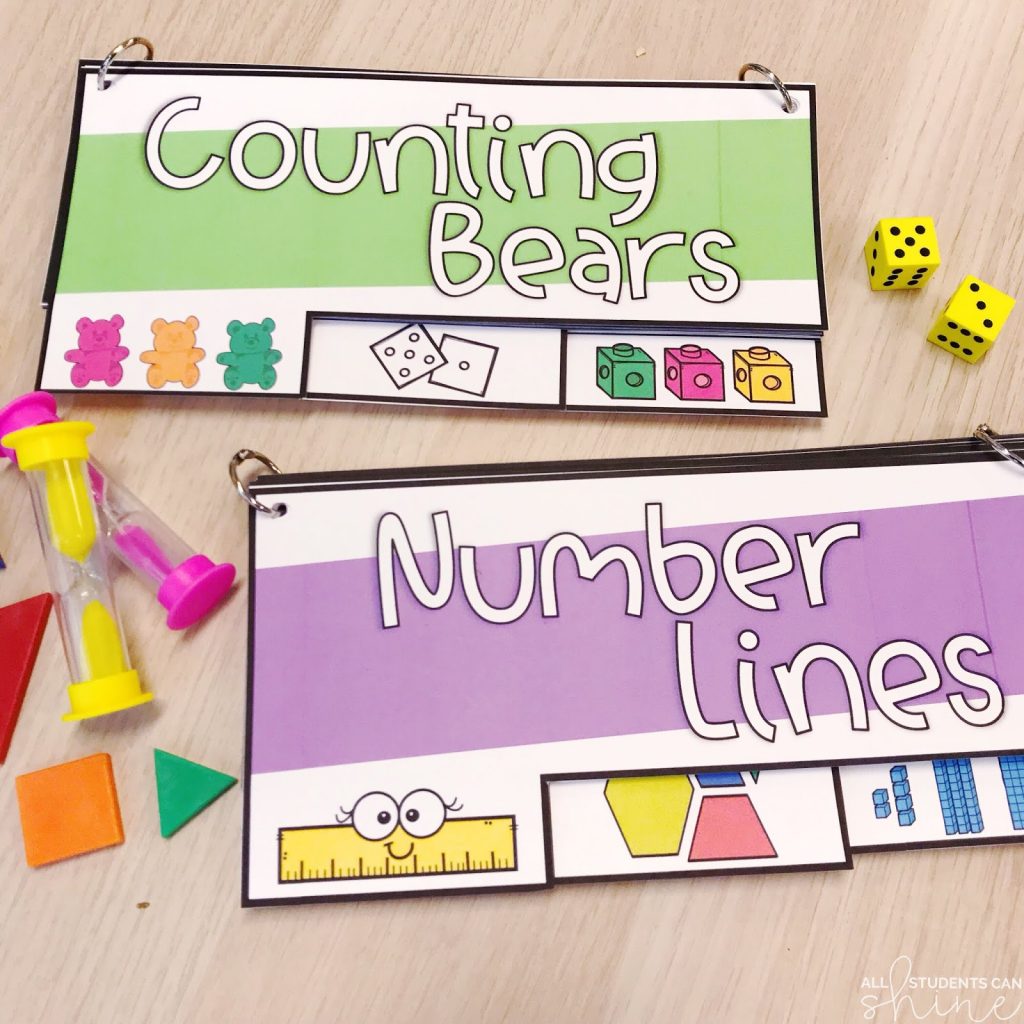
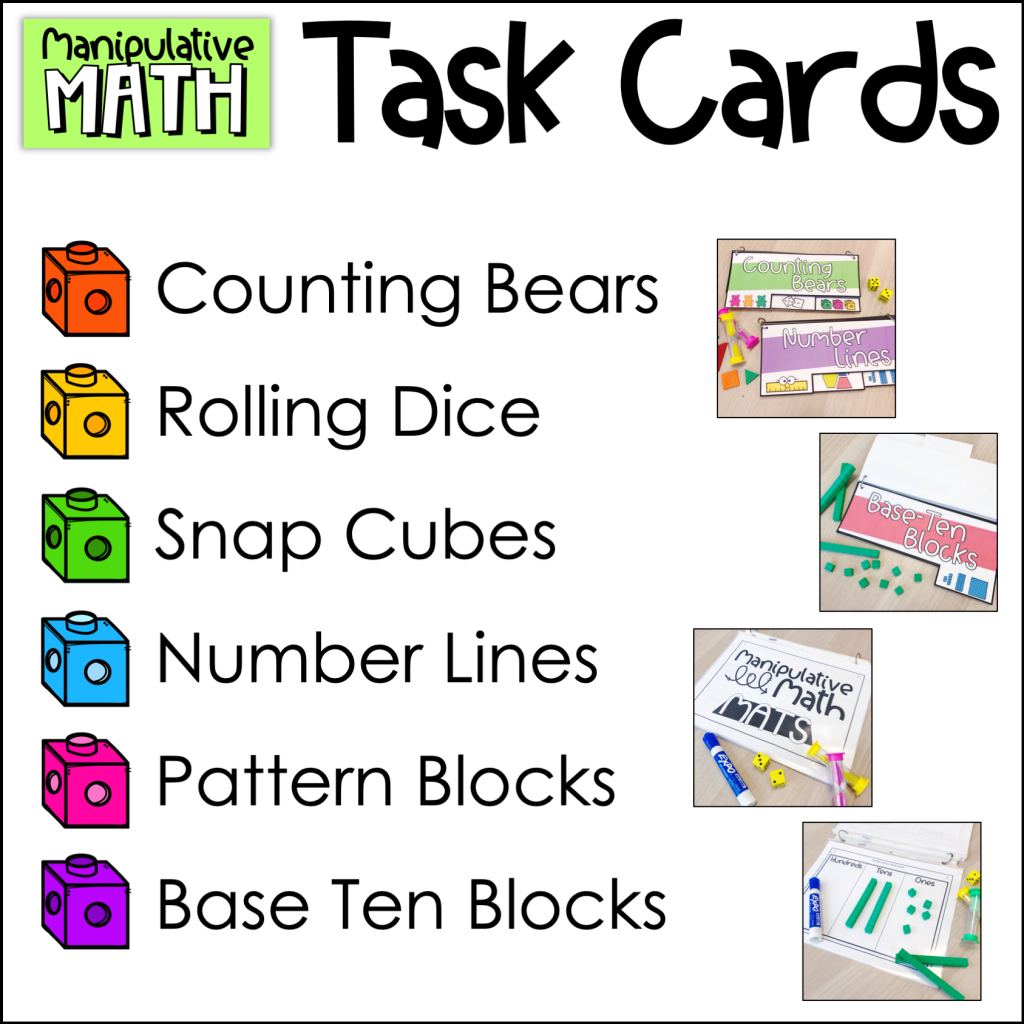
- Counting Bears
- Roll the Dice
- Snap Cubes
- Number Lines
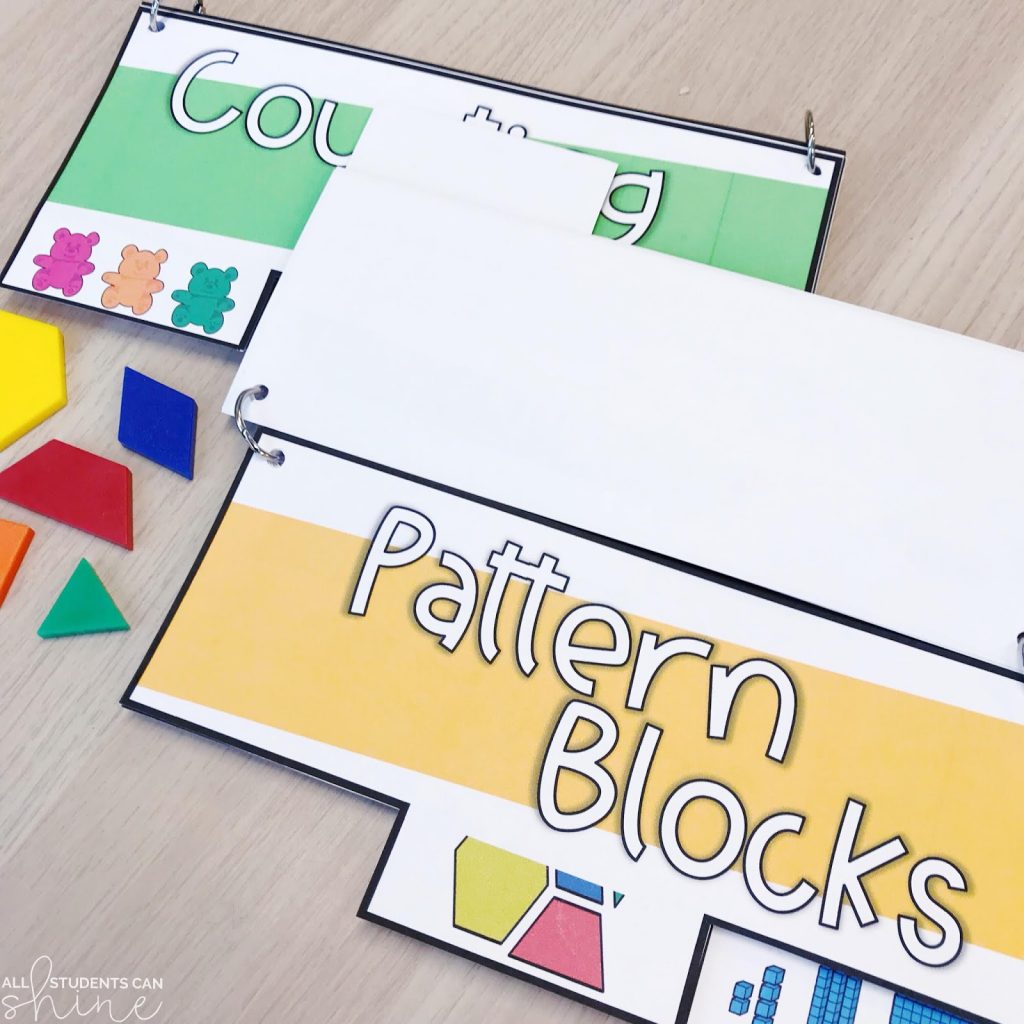
- Pattern Blocks
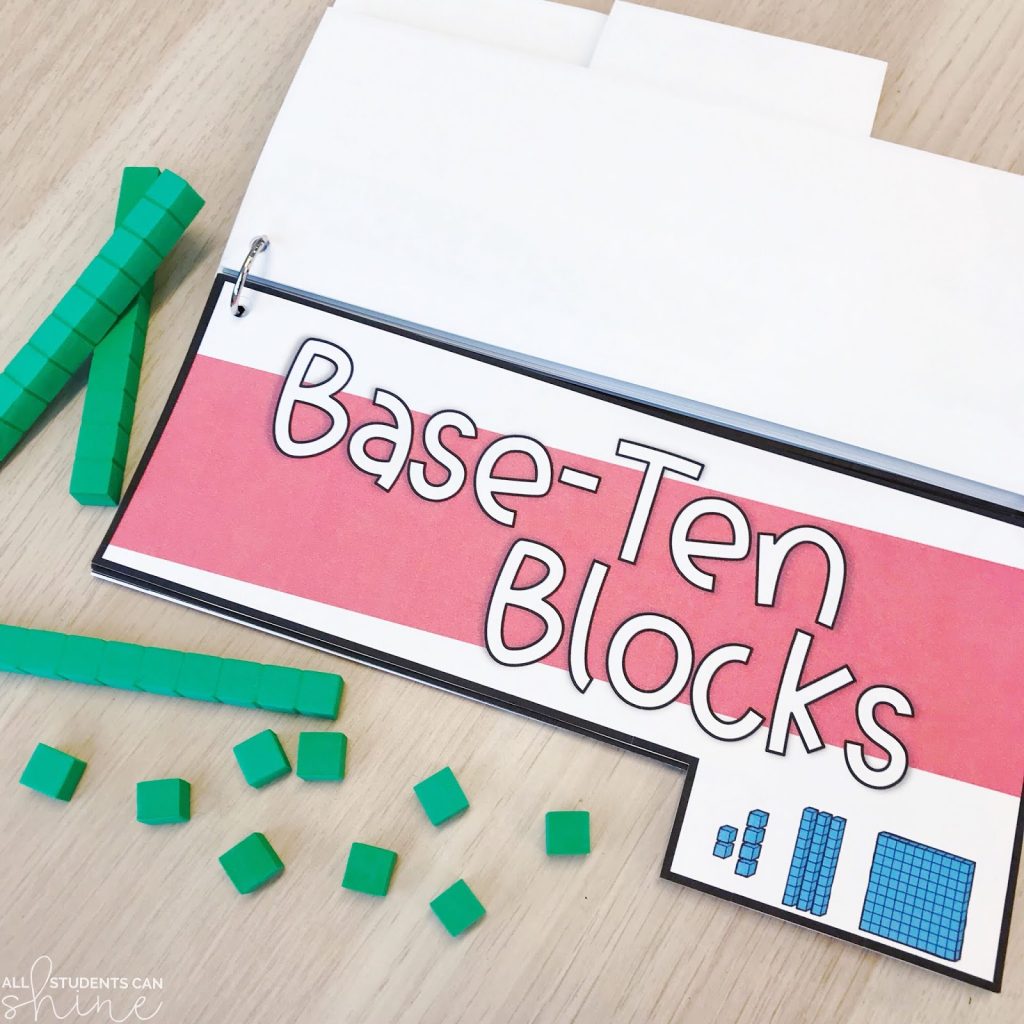
- Base Ten Blocks
- 17 manipulative math mats
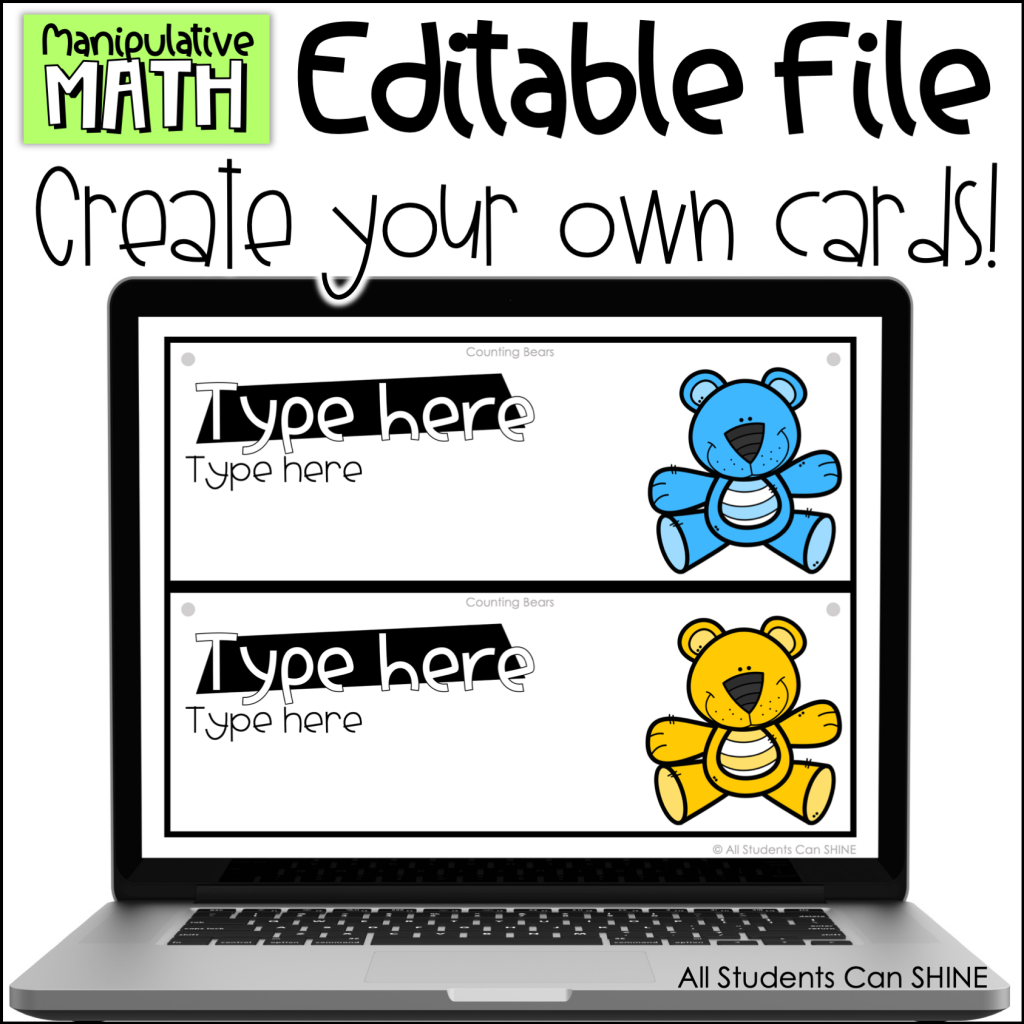
- Editable templates so you can create your own task cards
This makes it easy to customize based on your curriculum and student needs.
Why Teachers Love Using Manipulatives for Math Practice
Hands-on math isn’t just engaging — it builds deeper understanding.
These flip books:
- Support kinesthetic learners
- Strengthen number sense
- Encourage math talk between partners
- Make abstract concepts more concrete
- Provide structured independence during centers
Instead of students randomly “playing” with manipulatives, they’re using them with purpose.
How to Use the Flip Books in Your Classroom
One of the best parts of this resource is how flexible it is.
Here are a few simple ways to implement it:
1. Small Groups
Use the flip books at your teacher table to:
- Reteach a skill
- Provide guided practice
- Challenge advanced learners
Because the tasks are reusable, you can easily adjust the numbers for differentiation.
2. Math Centers
Place a flip book in a labeled center bin with the matching manipulatives.
For example:
- Counting Bears flip book + counters
- Snap Cube flip book + linking cubes
- Base Ten flip book + base ten blocks
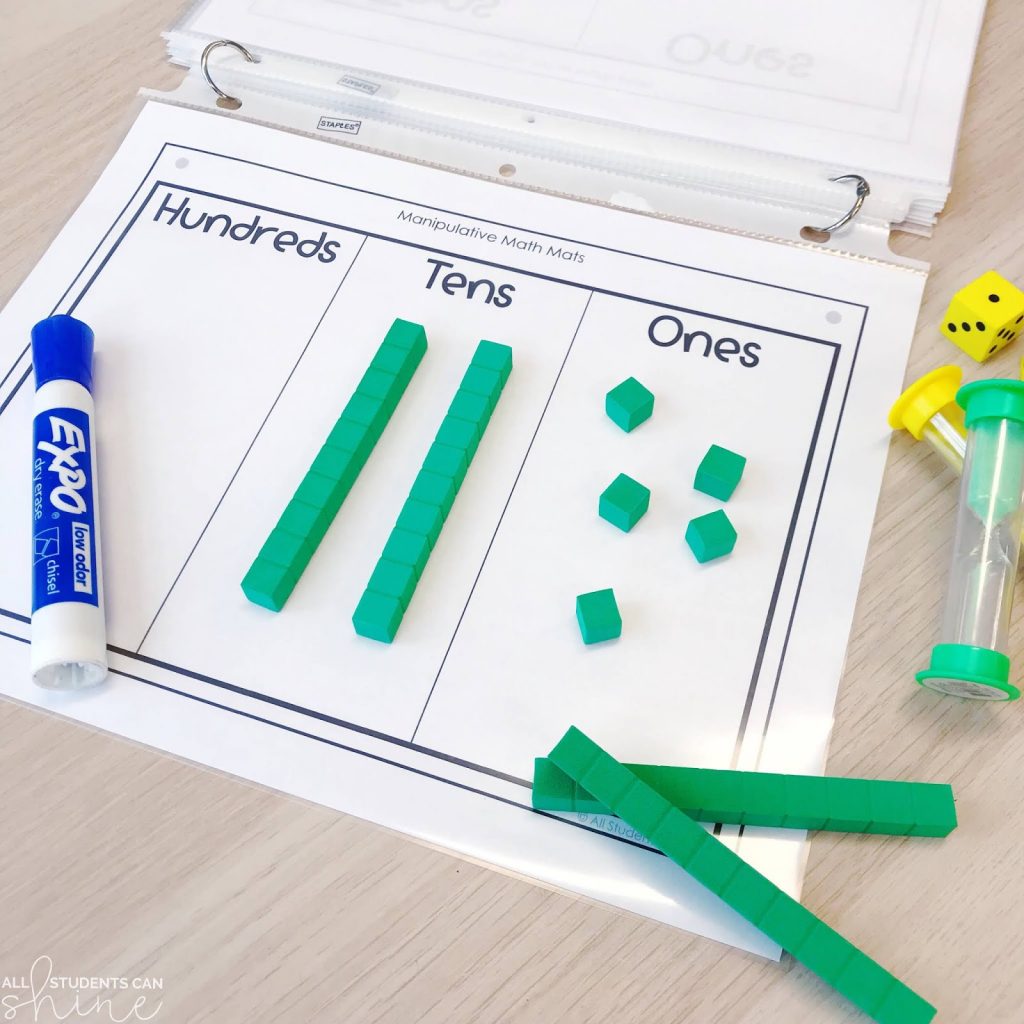
Students flip a card, build the model, and record their answer on a math mat.
Clear task. Clear expectation. Minimal confusion.
3. Early Finishers
Need something meaningful for students who finish early?
Keep a flip book station ready to go. Students grab a ring, choose a card, and get started independently.
Because directions are consistent across books, students build independence quickly.
Simple Setup Options
You can organize the flip books in a way that works best for your classroom:
- Hole punch the top corner and place all cards on one ring
- Create a separate ring for each manipulative
- Only include the pages that match materials you currently have
Store them near baskets of manipulatives so everything is in one place.
Pro Tip: Keep recording mats in plastic page protectors so students can use dry-erase markers. No paper copies needed.
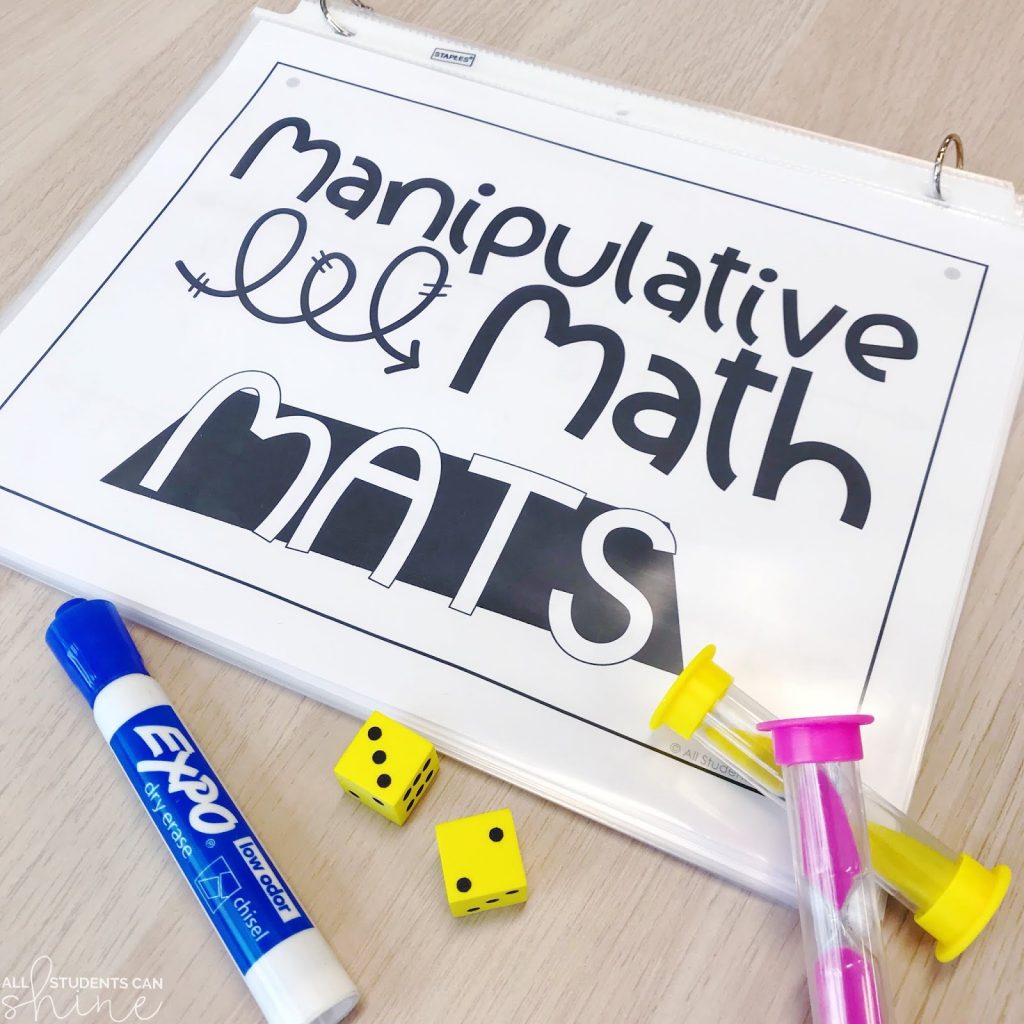
Add a Writing Component (Without Extra Grading)
The included math mats allow students to:
- Record equations
- Show their thinking
- Write number sentences
- Draw models
Because mats are reusable, you won’t have stacks of papers to grade. You can assess through observation and quick check-ins.
Add a Technology Extension
Want to bring in digital accountability?
Have students:
- Take a photo of their model
- Record themselves explaining their thinking
- Upload to Seesaw, Class Dojo, or Google Classroom
This adds a reflection component without adding prep time for you.
Built-In Differentiation
These flip books work well in mixed-ability classrooms because you can:
- Adjust the numbers
- Assign specific books to specific groups
- Create custom task cards using the editable file
- Provide challenge prompts for advanced learners
Same structure. Different levels. Easy to manage.
Perfect For:
- Math centers in kindergarten, first, and second grade
- Small group instruction
- Intervention groups
- Early finishers
- Sub plans
- Beginning-of-year routine practice
It’s a low-prep way to make the manipulatives you already own work harder for you.
Ready to Try It?
If you’re looking for structured, hands-on math practice that doesn’t require constant prep, the Manipulative Math Flip Book is ready for your classroom.
You can grab everything you’ll need right here:
Get the Manipulative Math Flip Books
Hands-on math doesn’t have to mean extra work. With the right structure, it becomes one of the most effective parts of your math block.