Motivating primary writers can be challenging as the school year progresses. While many young students begin with a natural love for writing, that excitement may fade if they do not have the foundational skills to support their efforts. Often, what we mistakenly believe to be a motivation or creativity problem is actually a gap in their writing skills. When students lack some of the essential tools such as proper organization, sentence structure, or the ability to add details, they can become frustrated or disengaged.
The good news is, motivating our primary writers doesn’t have to be complicated or time-consuming! With a focus on explicit instruction that builds their skills and connects writing to real-world experiences, we can set them up for success and spark their enthusiasm for writing. If you’re looking for ways to keep your students motivated to write well, keep reading!

Creating a Foundation for Motivating Primary Writers
This is a pretty basic framework when it comes to structured writing time. It closely follows the classic model, and your routine can too if that works for you, or it can include variations that fit your students’ needs and development. The key is to keep it consistent here. When kids have predictable routines, they are more likely to challenge themselves when it comes to applying new skills.
Here’s a basic framework for structuring your writing instruction, along with practical strategies to motivate your primary writers.
Explicit Skills Instruction + Real-World Connections
Model and Teach Specific Skills
Focus on essential writing skills such as sentence structure, using details, or organizing ideas. Use clear, step-by-step demonstrations so students understand what good writing looks like. When students see how these skills apply in real life, like writing a thank-you note or a simple story about their weekend, they are more inspired to practice.

Connect to Students’ Lives
Incorporate prompts and activities that relate to their experiences. For example, writing about their favorite hobby, a special holiday, or a trip to the park makes writing meaningful and motivating. This approach increases their ownership of their work and sparks genuine enthusiasm.
Sample Routine for Motivating Primary Writers:
- Read aloud a book or story that links to your writing focus.
- Discuss the main ideas and key details.
- Explicitly teach a writing skill (e.g., adding details, organizing ideas).
- Brainstorm vocabulary and ideas related to a real-world topic.
- Write a quick draft that applies the skill and connects to their experience.
- Share and celebrate their work with peers.

Keep Students Engaged by Mixing Up Your Routine
Variety is the key to keeping students interested. No matter how fun an activity is, students tend to get bored and complacent if it’s used too often with no variation. Here are a few ways to bring variety into your classroom:
- Use a variety of writing prompts, keep it seasonal and meaningful to students’ personal lives.
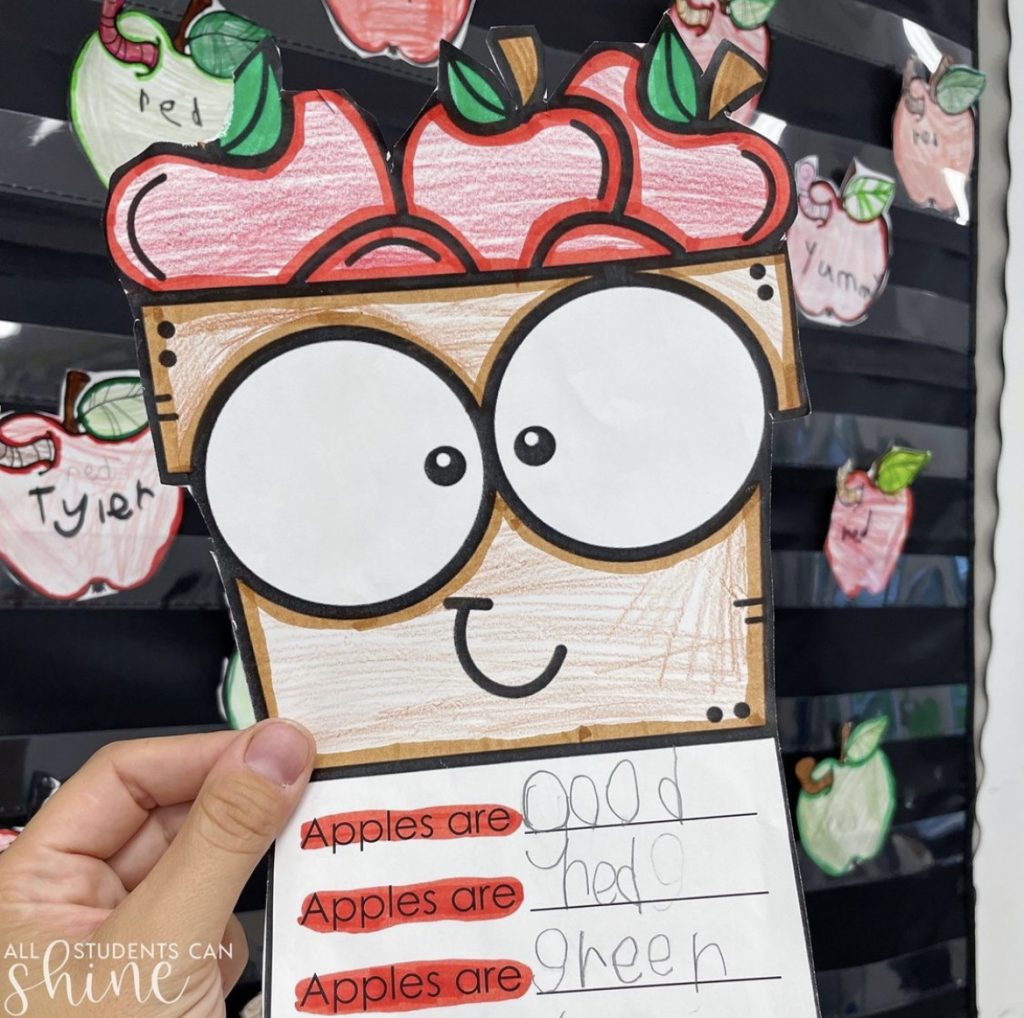
- Incorporate hands-on activities, like drawing or craftivities. Connecting movement and visuals helps reinforce skills and makes writing more engaging.
- Vary your tools and formats. Try simple flipbooks, storyboards, or comic strips that help students organize their ideas visually.
- Use digital or interactive tools when possible to add variety and appeal for tech-savvy learners.
- Integrate cross-curricular themes, like writing about science experiments, social studies topics, or seasonal events.These ideas help students understand why their writing matters and give them a chance to practice their skills in fun, different ways.
Provide Students with Structured Vocabulary
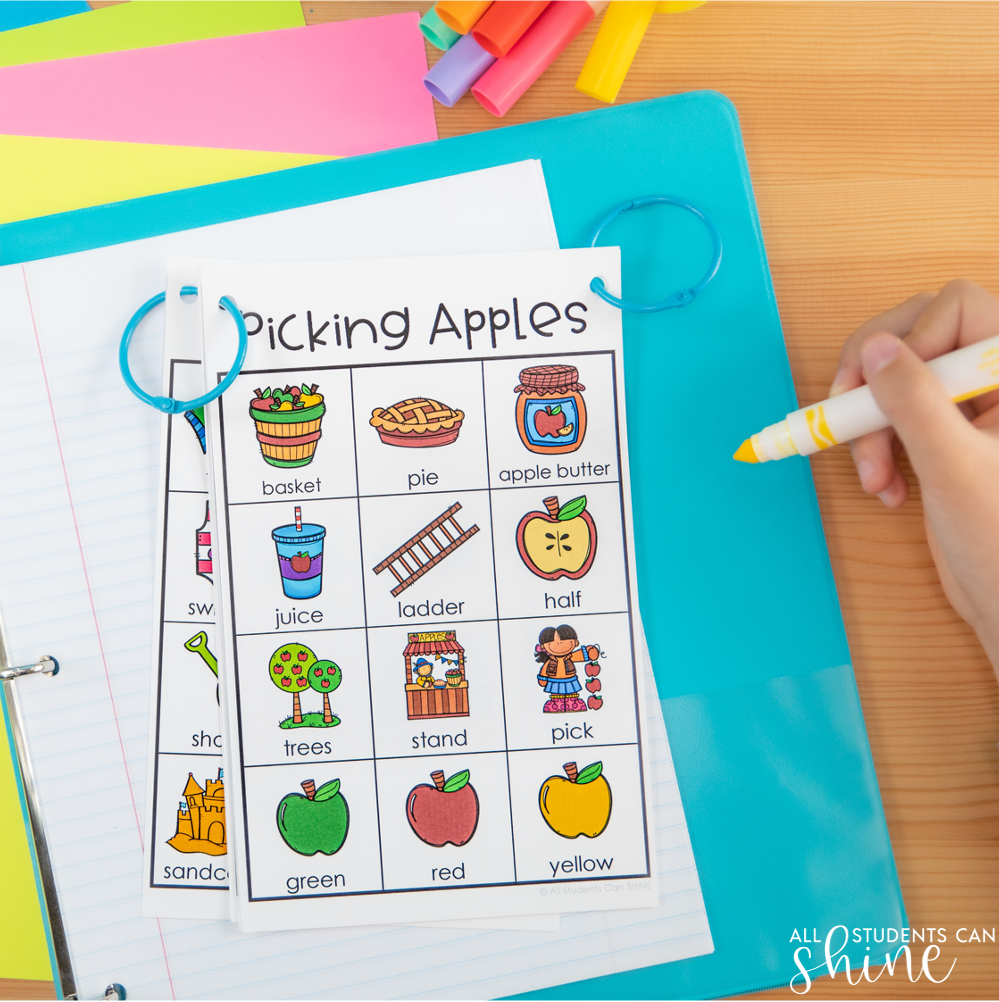
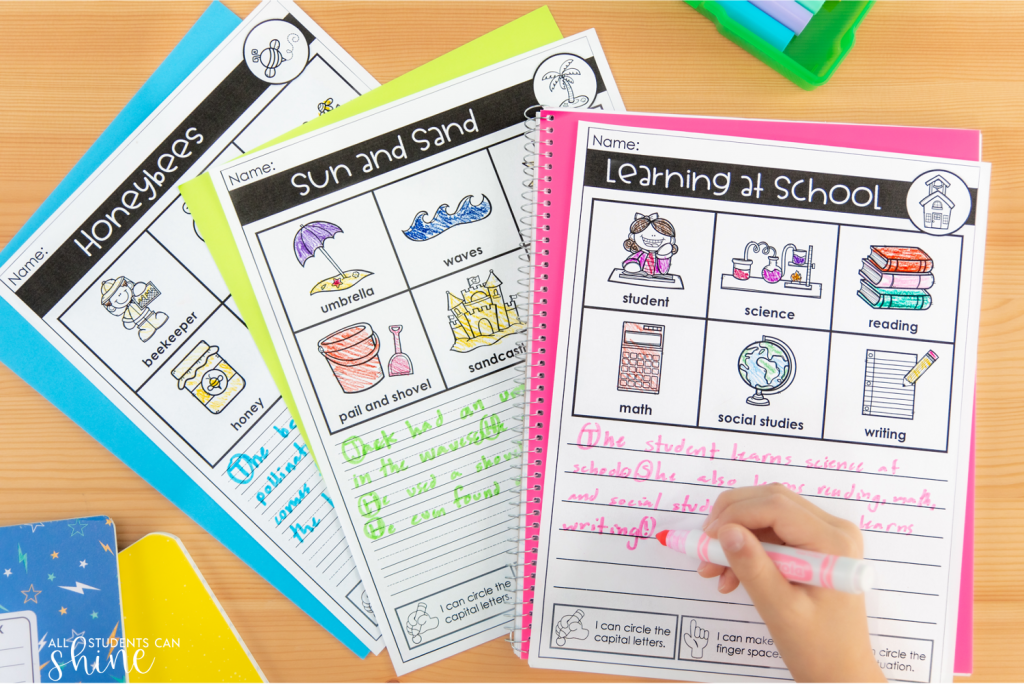
Giving your students access to vocabulary words for writing gives them a starting point and guides them throughout their writing process with focus. Each word acts as a guide and helps spark creativity while helping students adapt their stories. Vocabulary themes help reluctant writers, language learners, and other young students write confidently about high-interest topics, build independence, and feel in control of their writing and learning.
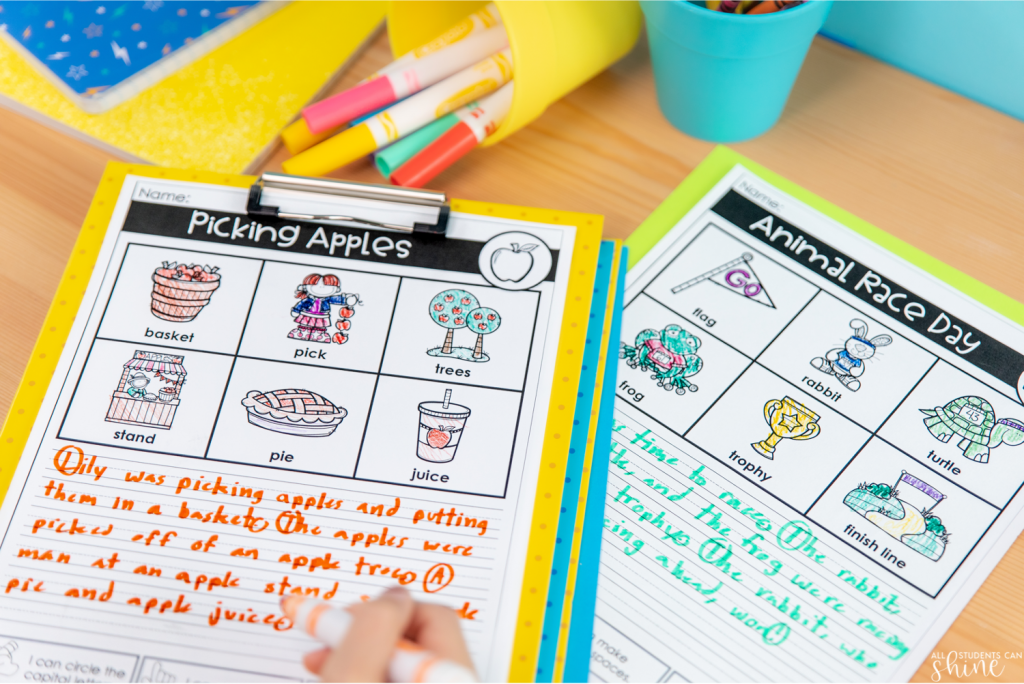
Teacher tip: try teaching your new vocabulary through writing!
Keep it Meaningful
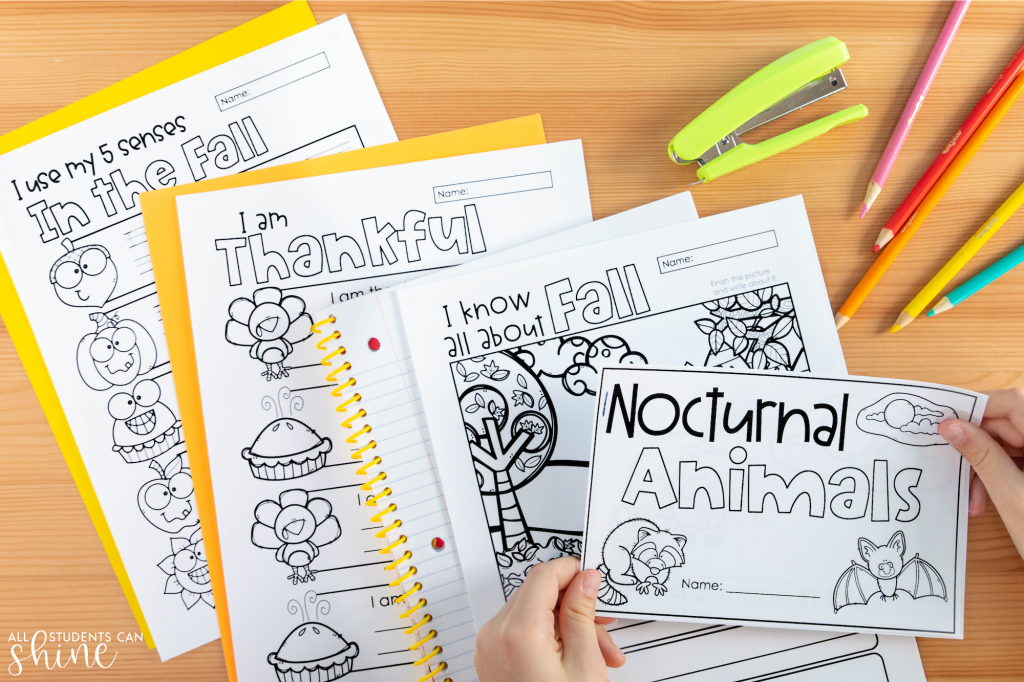
Giving students prompts that connect with what is happening around them is a great way to keep them motivated to write! A fun approach to this is by doing seasonal writer’s workshop activities. This helps students to use what they are experiencing in the changes of seasons in their writing. The change in temperature, leaves falling to the ground, pumpkins displayed in stores and on front porches- all of these things get students excited about what’s to come. Excitement fuels creativity, and creativity empowers students to write.
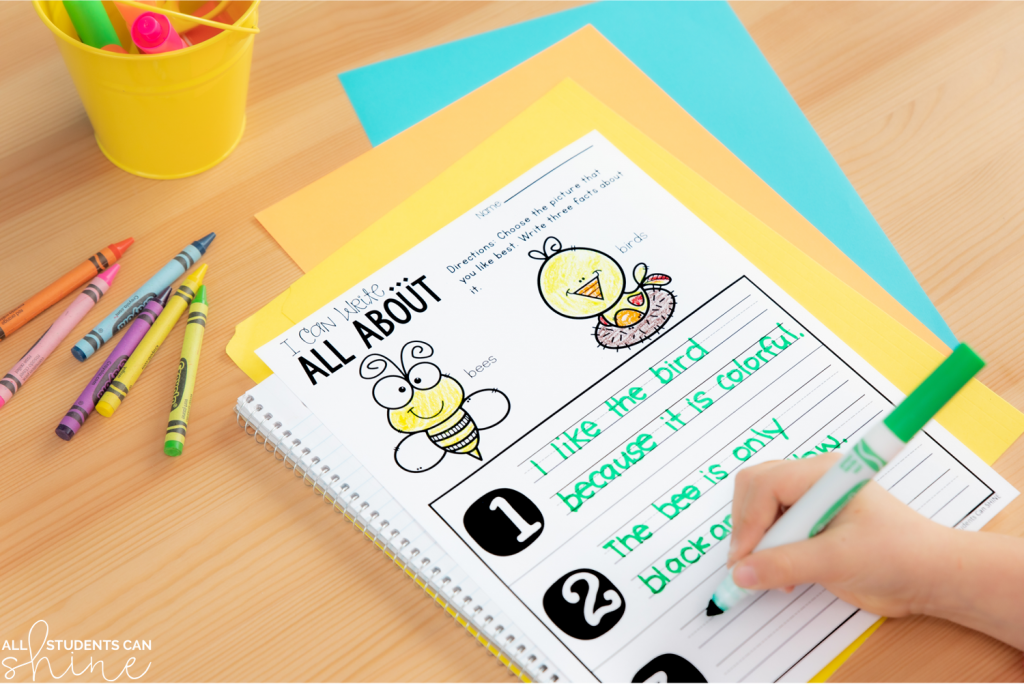
Link Writing Prompts to a Read Aloud
Read-alouds are fun for young learners and introduce them to new words, worlds, and possibilities. Allowing students to write about what has been read to them will help with reading comprehension while also further motivating them to build writing skills and make meaningful connections
Encourage Students to Celebrate their Writing
Pair up with another class for a sip and read. Allow students to sit in the special chair to present the work they’ve been doing. Give students opportunities to share their work with their peers. Integrating activities like this throughout the year will give your students something to look forward to. It will also motivate them to work hard to produce quality writing for an audience.
Love these time-tested ideas and want more? Sign up for our email list so you never miss out on ideas that will make learning fun, and stay tuned to more support from the blog to help All Students Shine!
Want even more writing resources & ideas?
Fostering motivation in primary writers begins with teaching them the essential skills they need in ways that are clear and meaningful. When students understand how writing connects to their own lives and are shown step-by-step how to craft clear, detailed messages, their confidence and excitement for writing will grow naturally.
Want more ideas or resources to support your students’ foundational writing skills? Click the make teaching writing easy button below.