“I’m Done!” — Now What?
If you’ve ever heard those two words during your lesson — you know the chaos that can follow. Early finishers can quickly become a distraction if they don’t know what to do next.
That’s why having a solid plan for early finisher activities is essential. Not just busywork — but meaningful options that keep your students learning, moving, and motivated.

1. Math Task Cards That Feel Like a Game
Math task cards are a low-prep way to challenge fast finishers without overwhelming them. Set up a dedicated station, or even tape cards around the classroom for students to solve as a game. Add a mini sand timer, and suddenly it’s “Beat the Clock” — not more math.
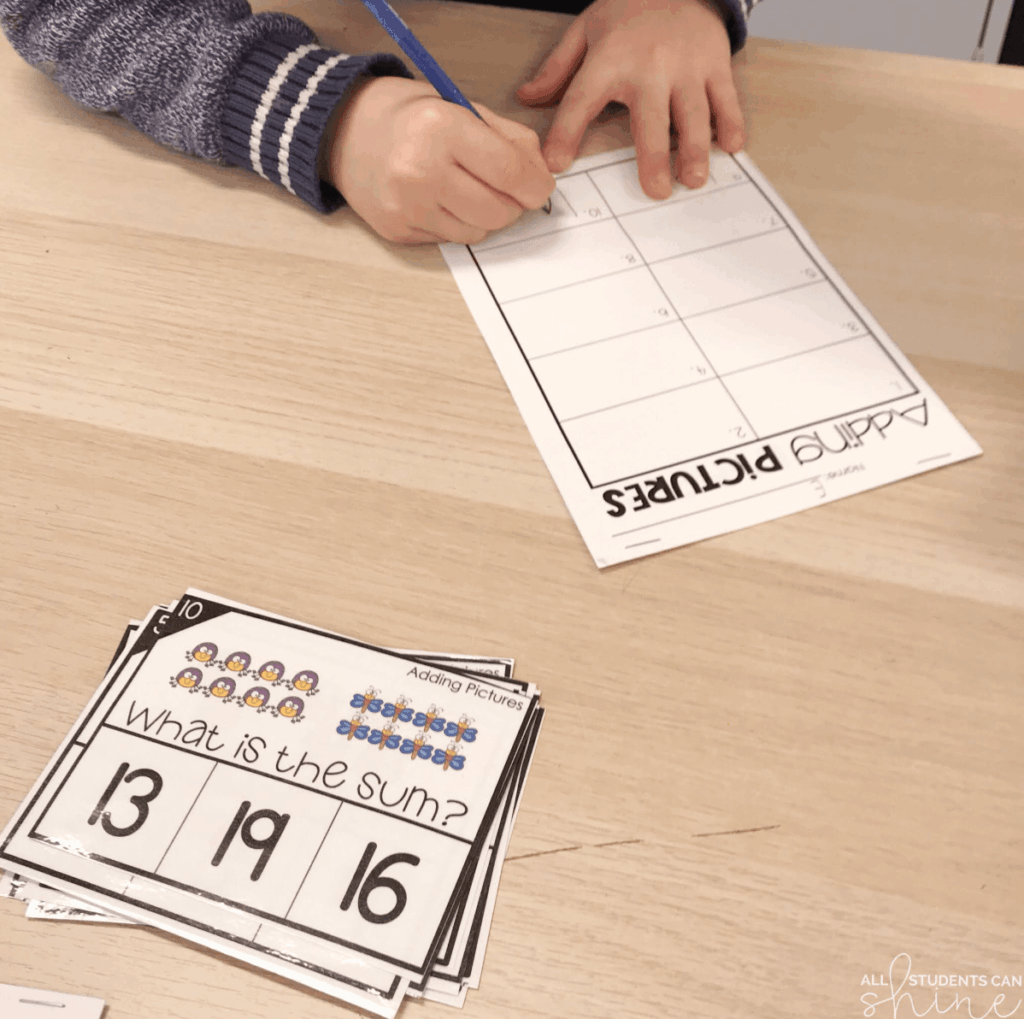
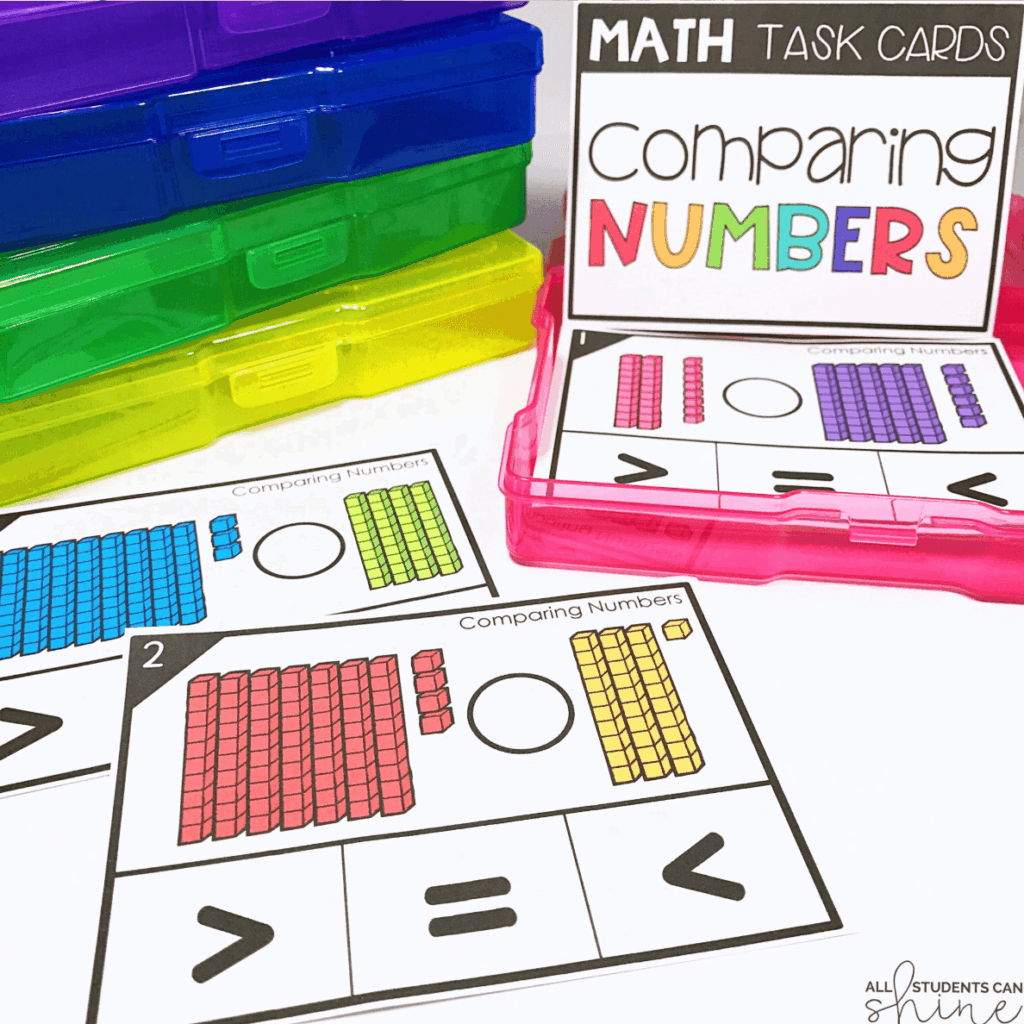
What works well:
- Task cards grouped by skill or unit
- Timers or point challenges to build excitement
- Independent or partner use
These ready-to-go math task cards are perfect for 1st grade and early 2nd. They’re already differentiated and super easy to organize.
2. “Solve the Room” = Movement + Math
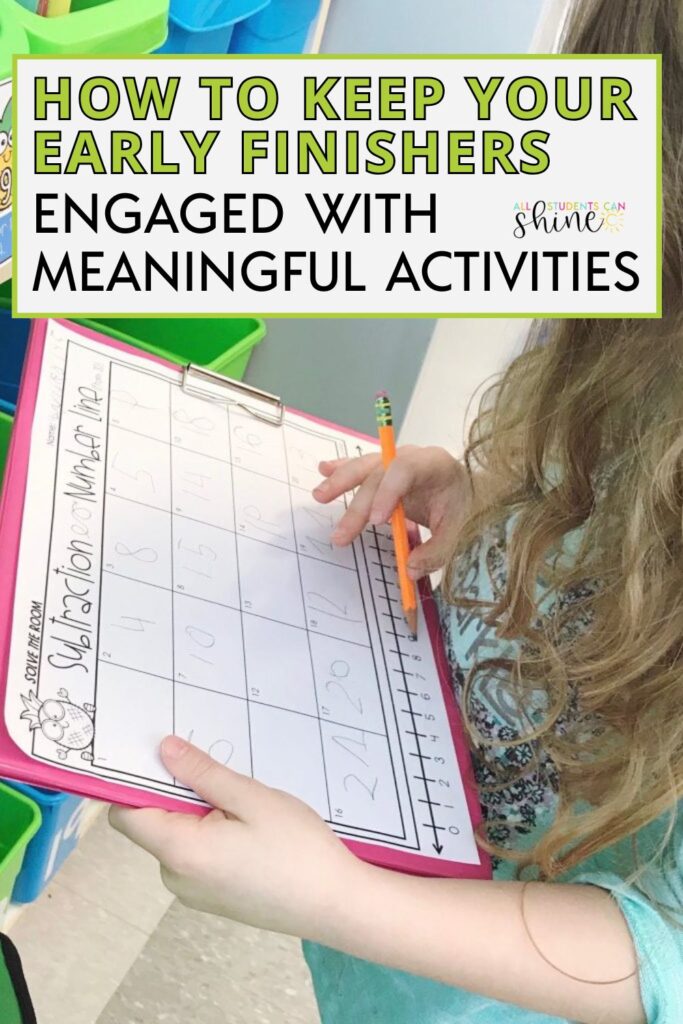
One of the best early finisher activities that keeps kids engaged and moving? Solve the Room.
This hands-on activity combines academic focus with physical movement — which is a dream for your kinesthetic learners.
How it works:
- Place math cards around the classroom
- Students walk around with a clipboard to “hunt” for problems
- They record answers on a response sheet
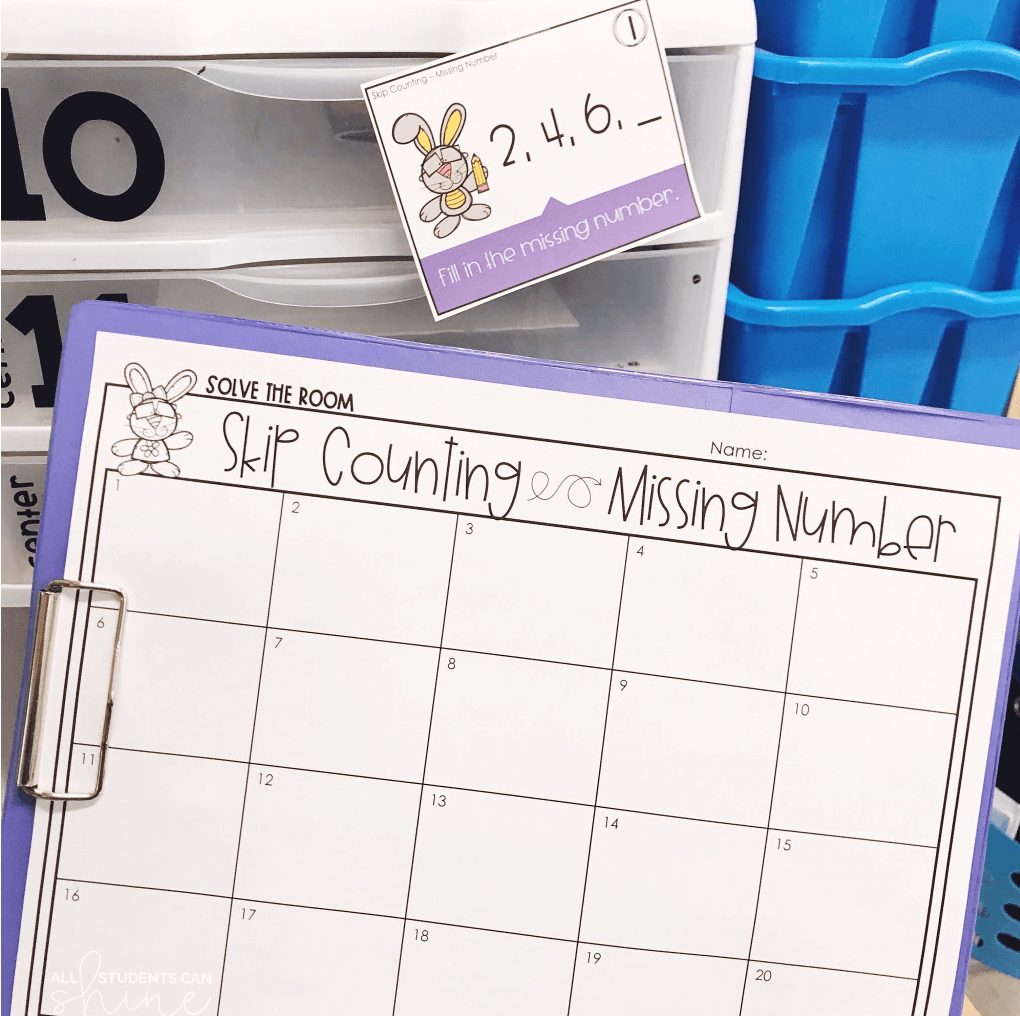
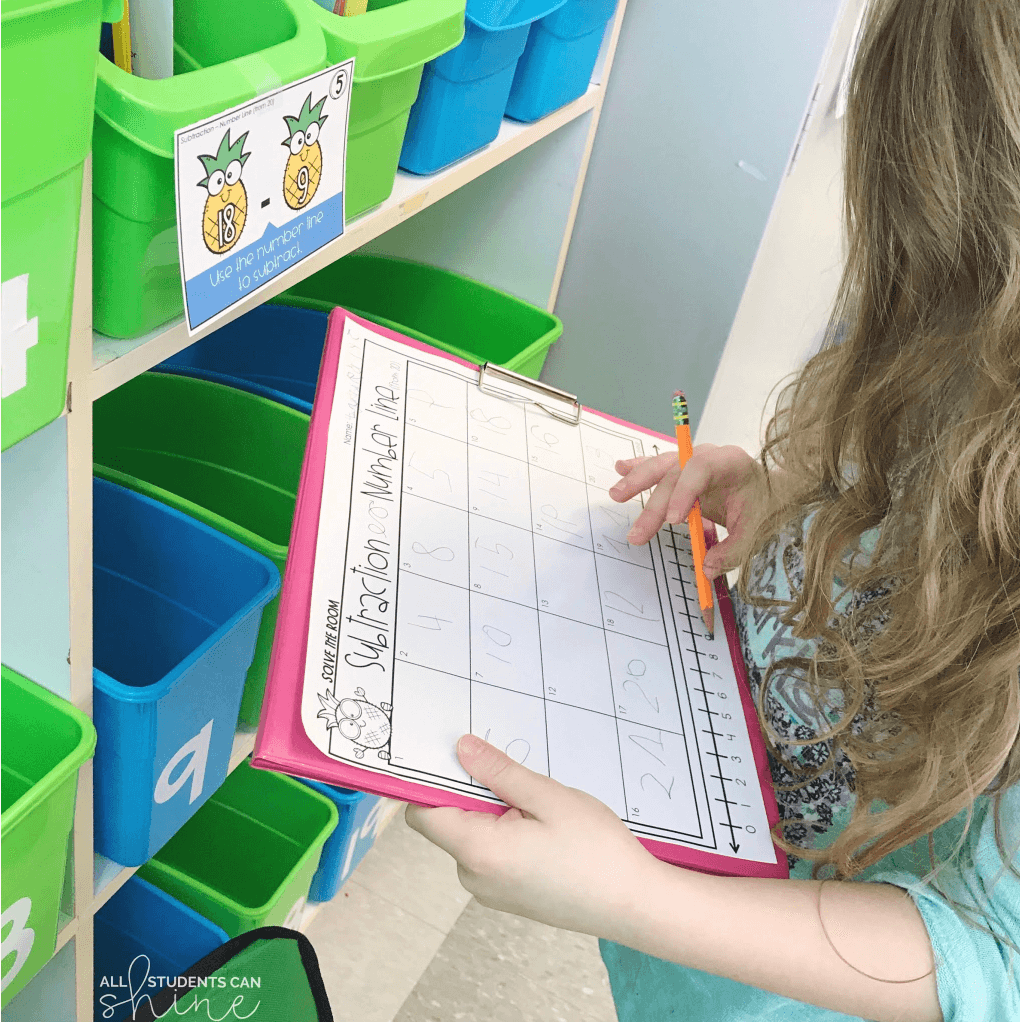
It’s self-paced, fun, and gives kids that much-needed movement break while reinforcing key math skills.
🎒 Try Solve the Room activities here (also available on TpT) — they’re great for centers, early finishers, or review days.
3. Interactive Digital Games for Math & Phonics
If you’ve got classroom devices, digital games are another excellent early finisher choice — especially when they align with your current phonics or math unit.
The key is giving students clear expectations:
- Where to go
- Which games to choose
- How long to play
Kids love them, and they feel like free time — but you’ll know they’re still practicing important skills.
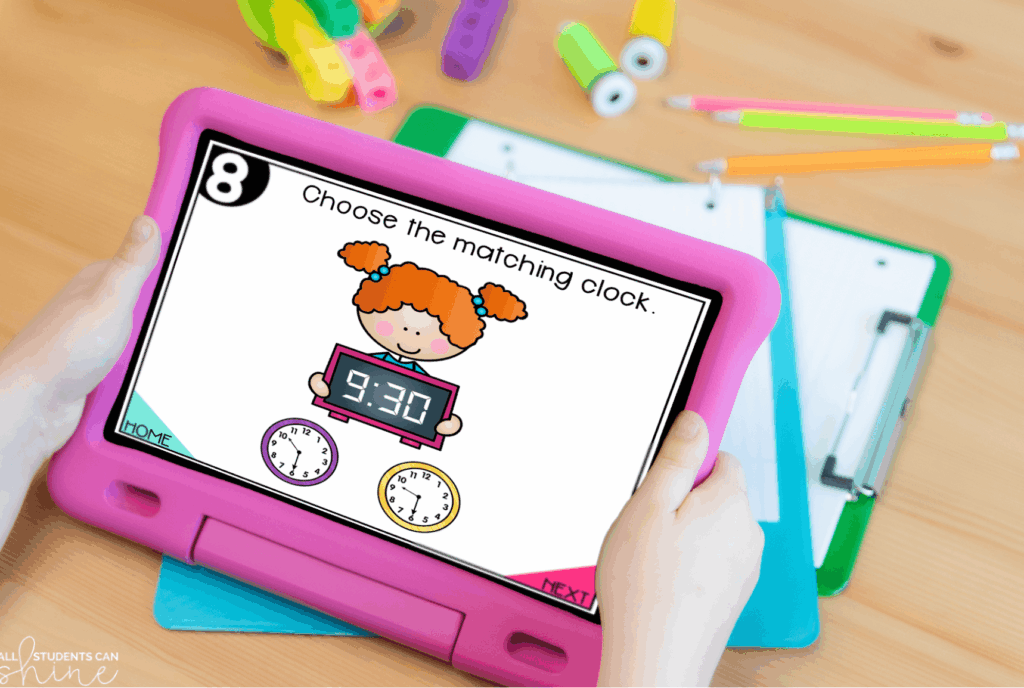
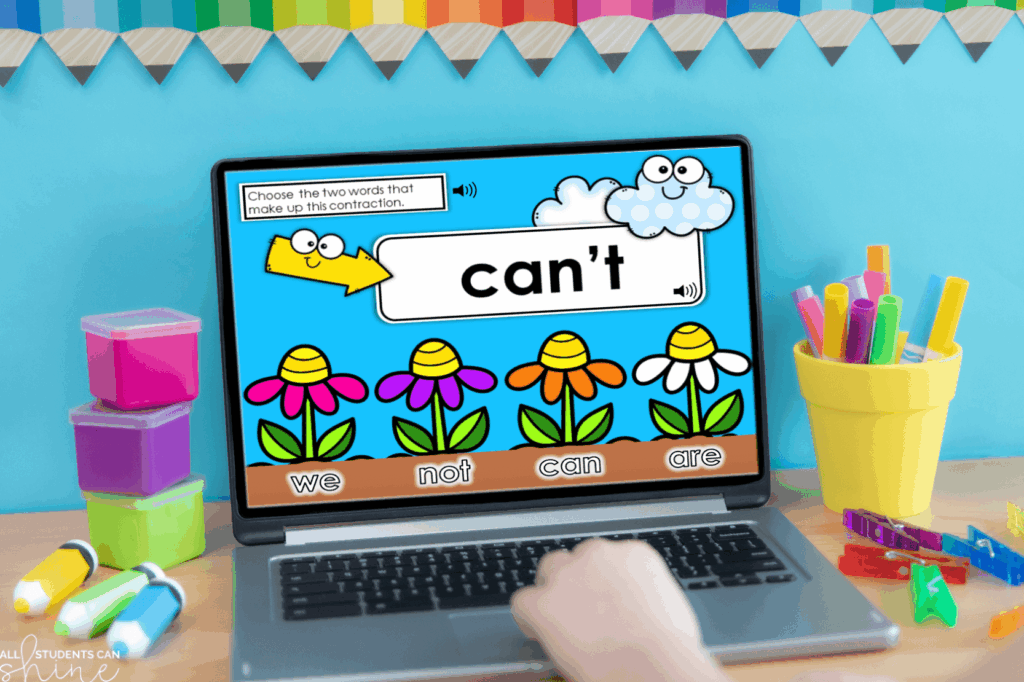
✨ Check out these two favorites from All Access:
Tip: Use QR codes or icons on your whiteboard to quickly direct students to the right game!
4. Independent Reading That Actually Works
Reading is always a solid option — but it works best when kids feel ownership.
Two small tweaks can make independent reading one of your most effective early finisher activities:
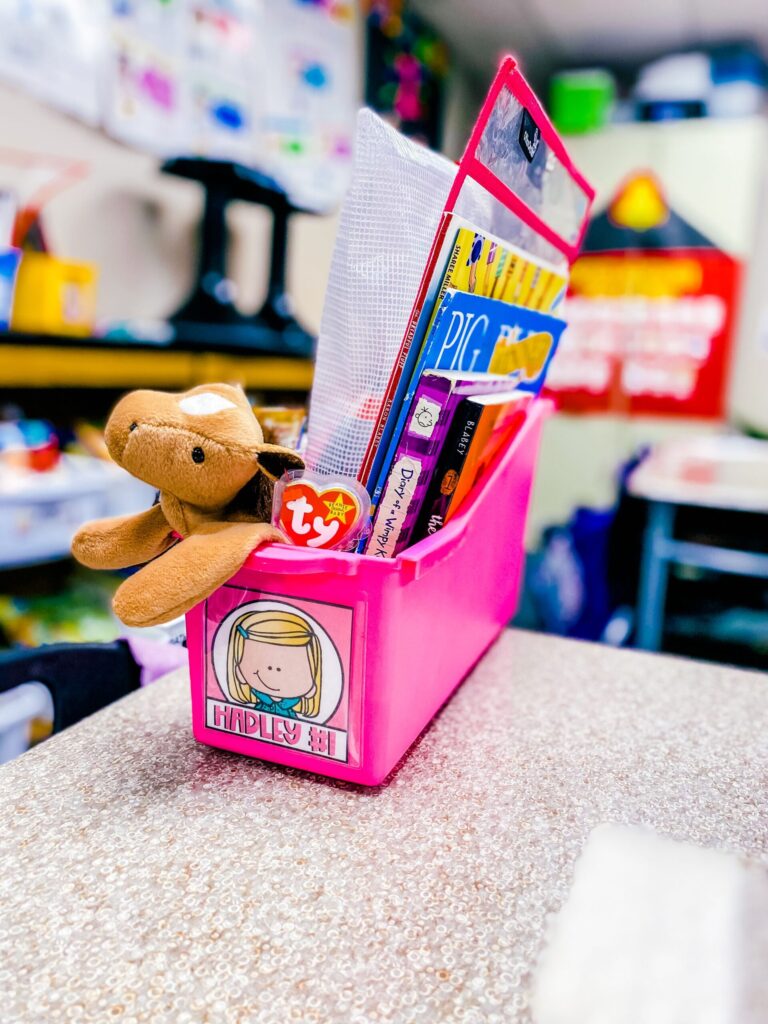
Give them choice with book boxes
Each student keeps a small bin with 3–4 self-selected books. They know when and how to switch them out — no disruptions, no lines at the classroom library.
Need help setting it up? Grab editable book bin labels to keep everything organized and accessible.
Browse TONS of suggestions for how to organize your classroom library in this post.
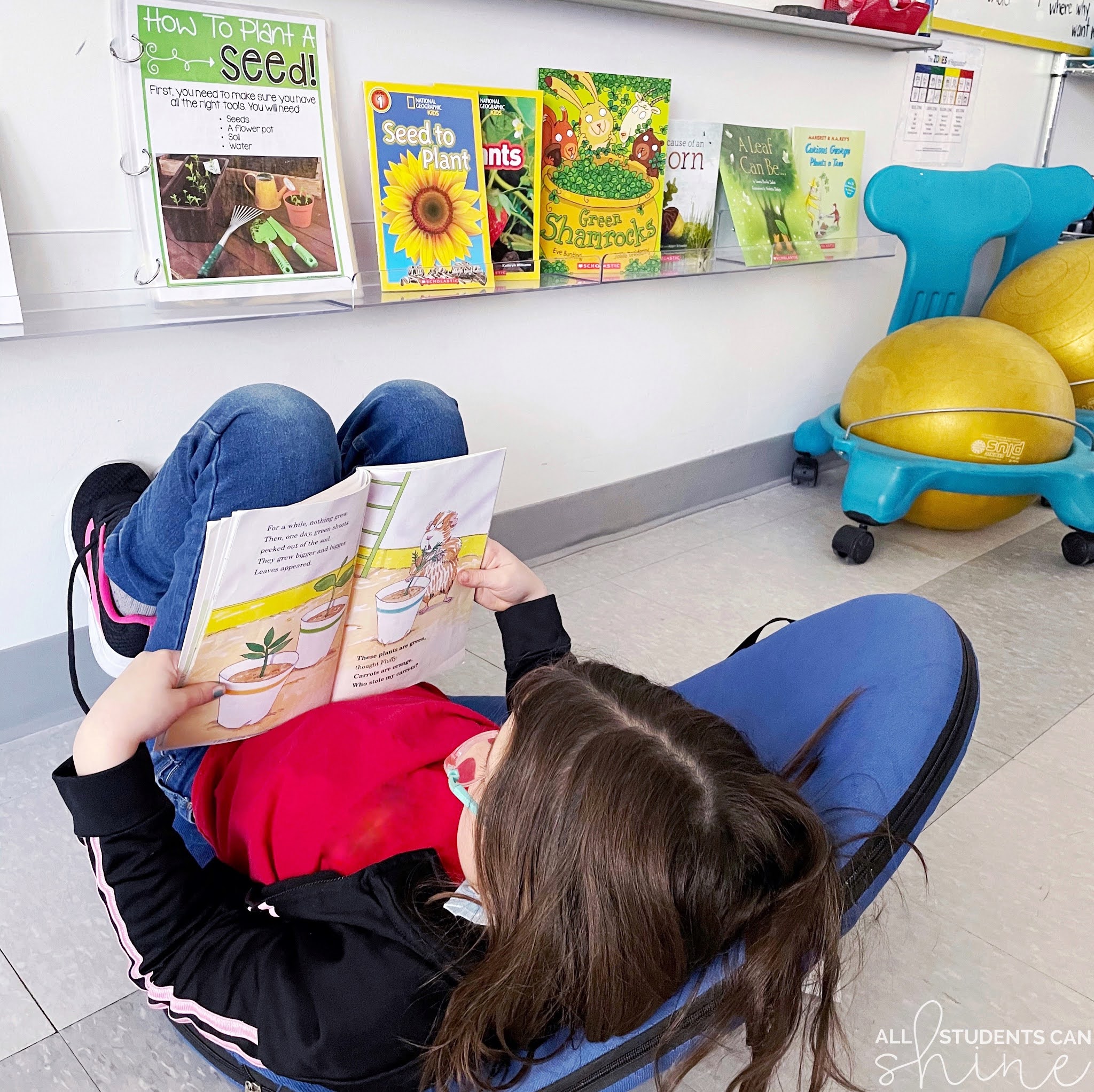
Make a special reading shelf
Fill a display shelf with themed or seasonal books. Only allow access during “I’m done” time, and it becomes a reward — not just another choice. Even reluctant readers look forward to this!
Keep It Consistent: Teach the Routine
The best early finisher system is one that runs itself. That means teaching students:
- What their options are
- Where to find materials
- How to transition independently
Practice it early and revisit it after breaks or rough patches. You’ll save yourself so much redirection time!
A Final Note
The goal isn’t to “keep them busy.” It’s to keep them learning in a way that feels rewarding.
All four of these early finisher activities do just that — they let your students move, explore, read, and apply what they’ve learned. Plus, they’re simple to manage and easy to rotate throughout the year.
Need classroom-ready versions of these ideas? They’re all inside All Access, so you can save time and focus on teaching.