Helping young students recognize high-frequency words is one of the best ways to build strong early readers. But let’s be real—just handing out flashcards doesn’t always do the trick.
If you’re looking for strategies to teach sight words in K-2 that actually stick (and don’t require hours of prep), this post is packed with ideas that are:
- hands-on and low-prep,
- perfect for active little learners,
- and flexible enough to fit into centers, small groups, or home practice.

“The more meaningful the exposure, the more likely students are to remember the word.”
Let’s break down exactly what sight words are, why they matter, and how to teach them in ways that keep your students engaged and confident.

What Are Sight Words?
Sight words are high-frequency words that children are expected to recognize instantly—without needing to sound them out.
Many of these words don’t follow typical phonics rules (think: said, the, come, does), which is why memorization and repeated exposure are so important.
You’ve probably come across two main lists:
- Dolch Sight Word List – 220 service words + 95 nouns used most often in children’s books.
- Fry Sight Word List – 1,000 most frequently used words in English, organized in sets of 100 by grade level.
“Mastering sight words gives kids a boost of confidence—and makes reading smoother from the start.”
Why Sight Words Matter in Early Reading
Teaching sight words in kindergarten and first grade lays the foundation for reading fluency. Here’s why:
- Sight words show up everywhere in early texts.
- Many are not decodable and need to be recognized by memory.
- Knowing a handful of sight words helps kids make sense of whole sentences.
When students start spotting familiar words on the page, they experience real reading success—which motivates them to keep going.
“When kids can read just a few key words on a page, the whole sentence starts to make sense.”
6 Engaging Ways to Teach Sight Words
Here’s where the fun begins. These sight word activities are easy to differentiate, classroom-tested, and designed to appeal to a wide range of learning styles.
1. Play-Based Sight Word Games
Games are always a hit—and they’re a smart way to build fluency through repetition.
Try this fun Uno Sight Word game:

Try these sight word games, ready to print and play.


“If it feels like play, they’ll keep coming back for more.”
2. Sneak Sight Words Into the Background
Repetition doesn’t always have to be formal.
Try these easy visibility hacks:
- Set your computer screensaver to loop through current sight words.
- Wear a “Word of the Day” on your lanyard for students to see.
- Create a high-traffic interactive word wall that kids can access independently.

“The more they see it, the sooner they’ll own it.”
3. Practice Writing Sight Words (the Fun Way)
Make writing tactile and sensory-friendly! Some ideas:
- Form words with magnetic letters, pipe cleaners, or Wikki Stix
- Trace in shaving cream, sand, or play dough
- Write with fingers on foggy windows or in rice trays
Don’t skip the pencil, though! Tracing → copying → writing independently is still a valuable progression.

“Hands-on practice helps turn abstract letters into real, memorable words.”
4. Hunt for Sight Words in Real Text
Once students are familiar with a set of words, encourage them to spot those words “in the wild.”
Use:
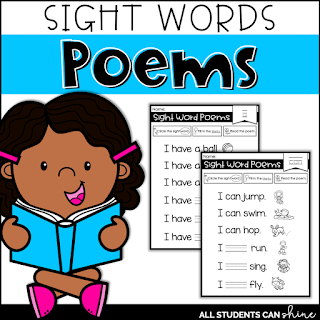
- Short poems
- Mini student books
- Sight Word Comic Readers
- Labels and anchor charts in your classroom
They can highlight or underline target words, circle them with a crayon, or even place a sticker over each one they find.

“Finding words in real reading gives practice purpose.”
Bonus: Some students love sharing the words they find on cereal boxes, signs, or their favorite books at home.
5. Add Movement to Sight Word Practice
Kids learn better when they’re moving—and these ideas are great for transitions, indoor recess, or take-home practice:
- Stair Steps: Tape flashcards to the steps and read them as kids go up or down.
- Flashlight Find: Turn off the lights and have students shine a flashlight on the word you call.
- Air Writing: Use full-body movements to draw each letter in the air.
- Fly Swatter Game: Tape cards to the wall or floor. Call out a word—students swat the right one.


“Repetition isn’t boring when it’s playful—and it’s the key to fluency.”
6. Build and Write Sentences with Sight Words
It’s one thing to read sight words… but using them in context is where comprehension really grows.
Start simple:
- Use pocket chart sentences.
- Build sentences with sight word cards and picture support.
- Have students write short phrases with modeled or guided support.

“Reading is more than recognizing words—it’s about making meaning.”
Need no-prep options? Try these Sight Word Sentence Building Pages.
Repetition Is the Secret Ingredient
The biggest mistake? Moving on too quickly.
Rotate through old words during:
- Morning message
- Transitions
- Math problems
- Brain breaks
- Small group reading warm-ups
Use every part of your day as an opportunity for exposure.


“Give kids more chances to notice and name the words they know.”
Want to Save Time? Here Are Your Ready-to-Download Resources:


How Do You Teach Sight Words?
I’d love to hear what works best in your classroom! Share your favorite sight word strategies in the comment below.