New Freebies Every Week >>>

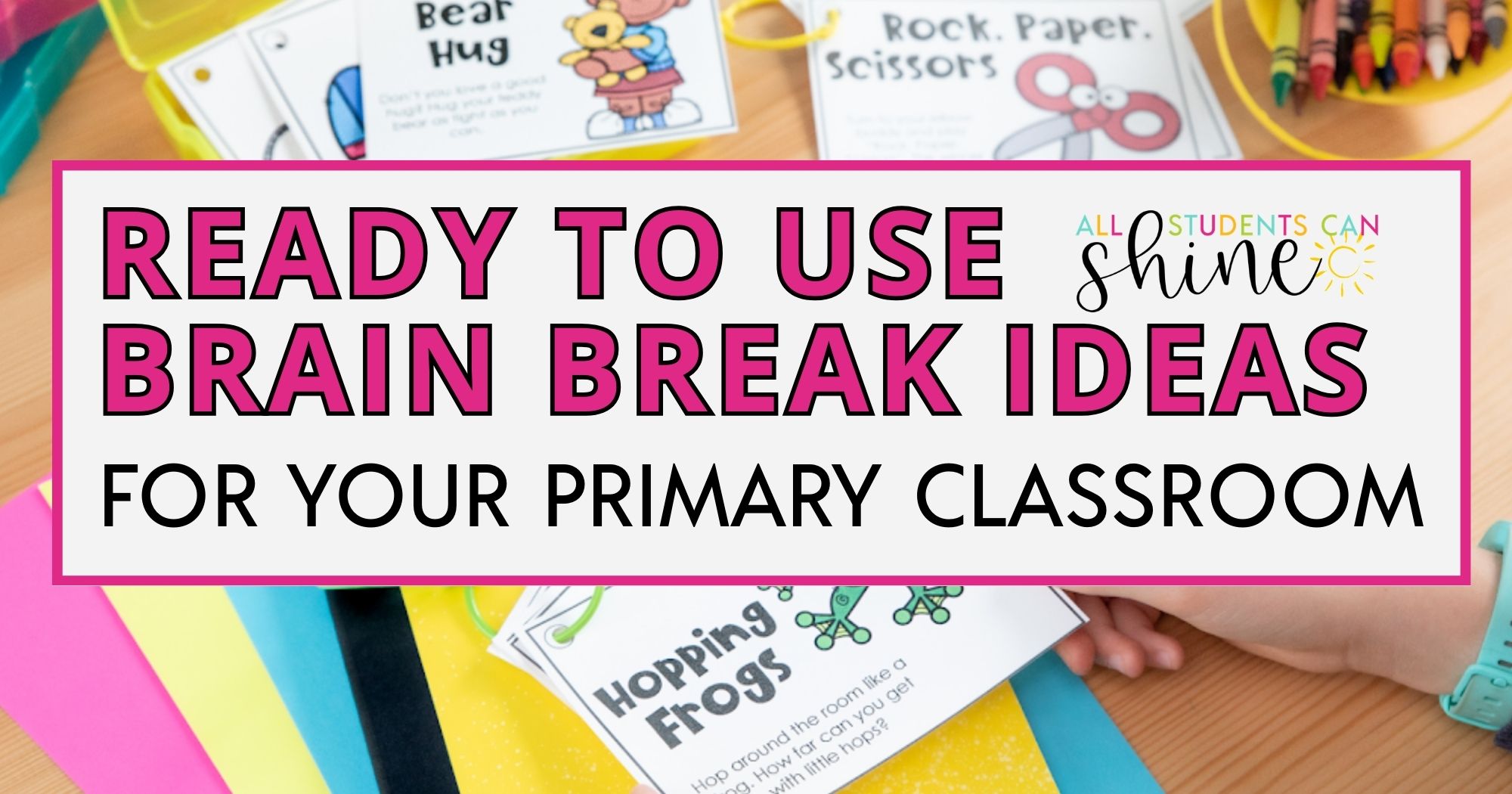
Ready to Use Brain Break Ideas For Your Primary Classroom

Let’s be honest — primary students are not designed to sit still for long stretches of time. If you’ve ever found yourself thinking, “Why can’t they just focus?” the answer is simple: their bodies need movement in order for their brains to refocus. Brain breaks aren’t extra. They’re necessary. And

Read More »

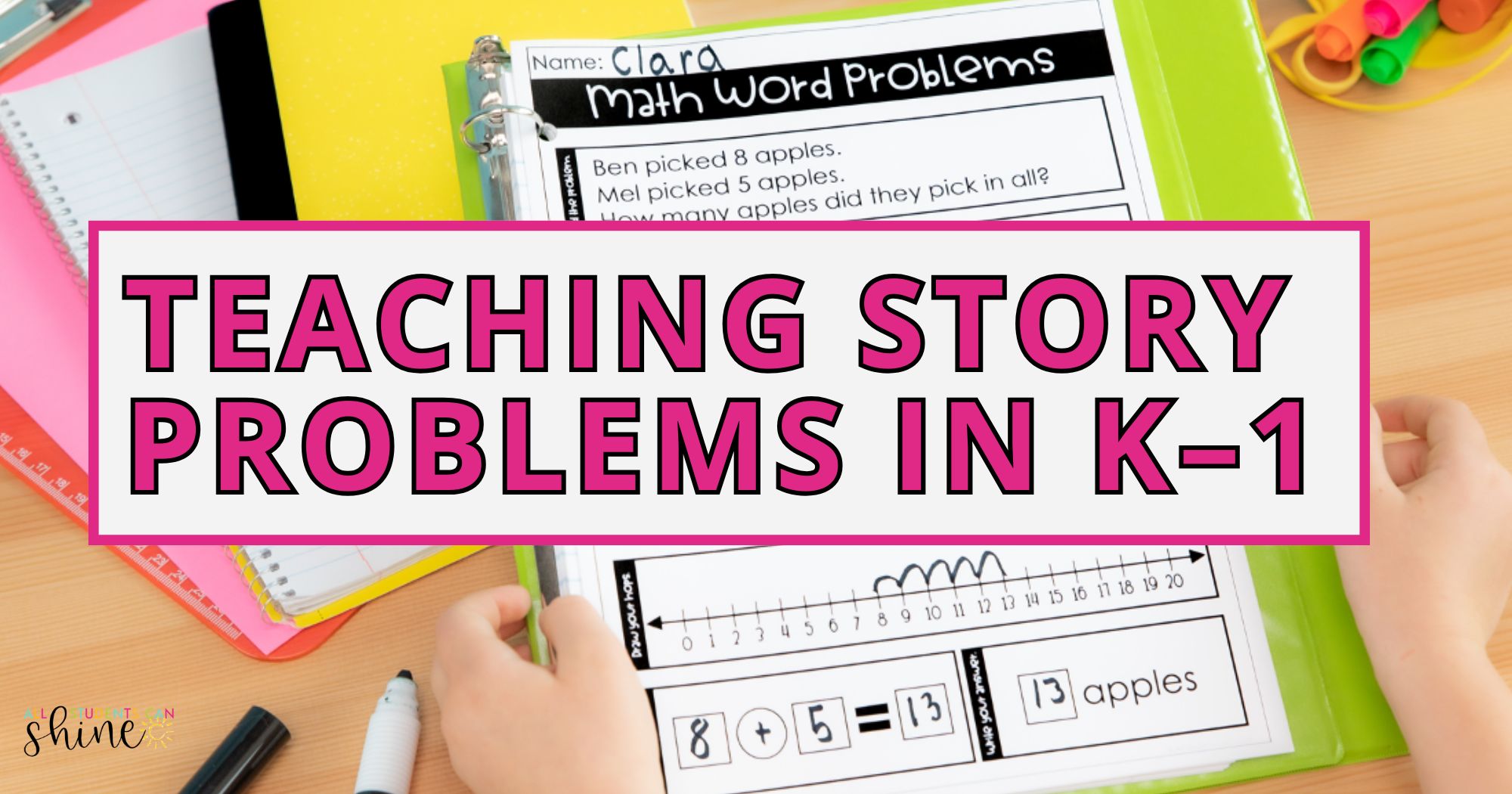
Teaching Story Problems in K–1

Helping young learners solve story problems can feel tricky. Many students who can add or subtract just fine still freeze when they see a word problem. Why does this happen? Story problems require students to combine reading comprehension, number sense, and problem-solving strategies all at once. When one of those

Read More »

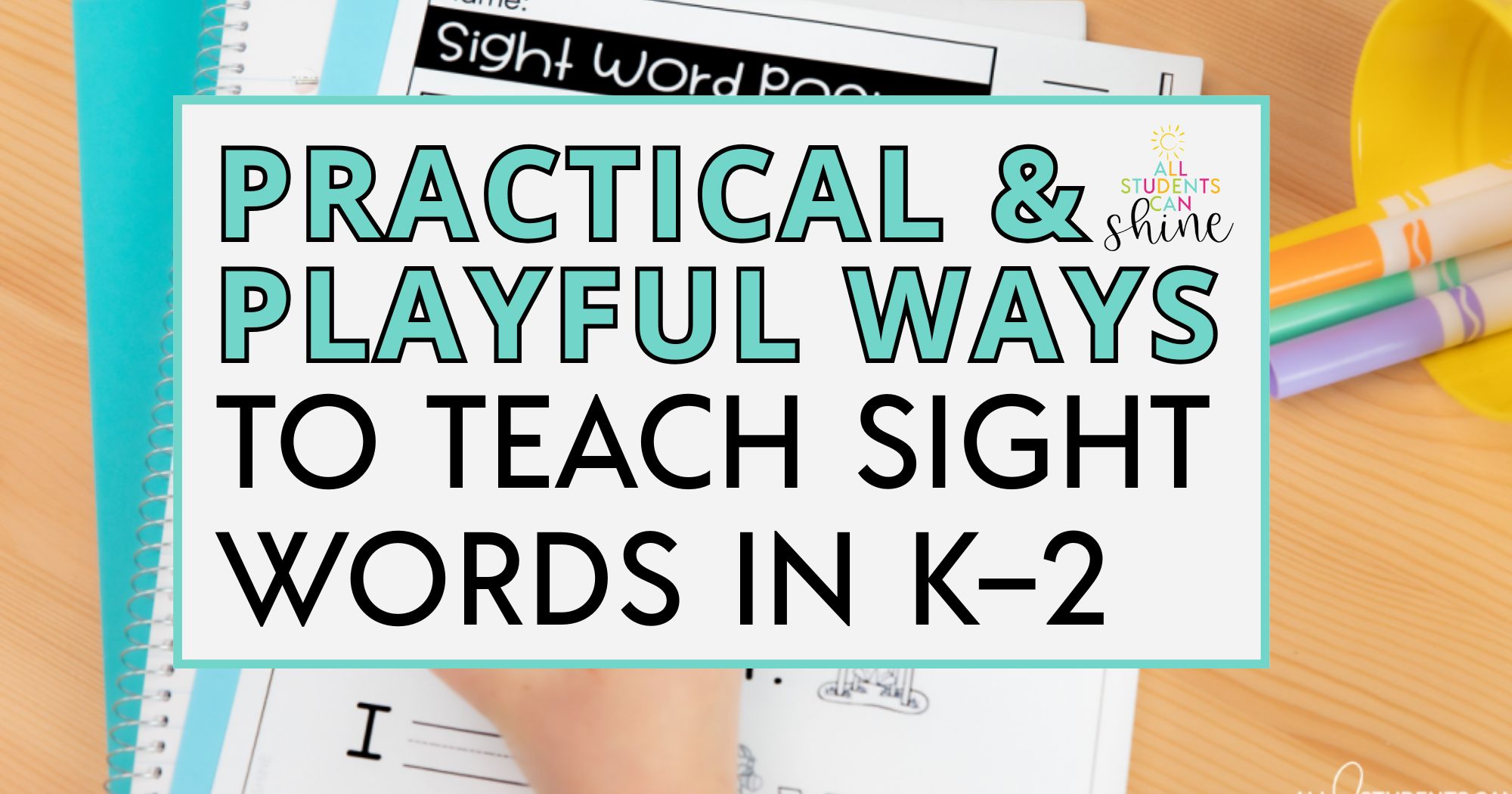
Practical & Playful Ways to Teach Sight Words in K–2

Helping young students recognize high-frequency words is one of the best ways to build strong early readers. But let’s be real—just handing out flashcards doesn’t always do the trick. If you’re looking for strategies to teach sight words in K-2 that actually stick (and don’t require hours of prep), this

Read More »

My Favorite Coding Apps for Kids

Coding can seem like an unconventional way to approach learning for teachers who don’t have a ton of experience with computer sciences. And often we think about teaching coding and programming just to the older kids. But the truth is, coding is appropriate for all school-aged children. And there are

Read More »

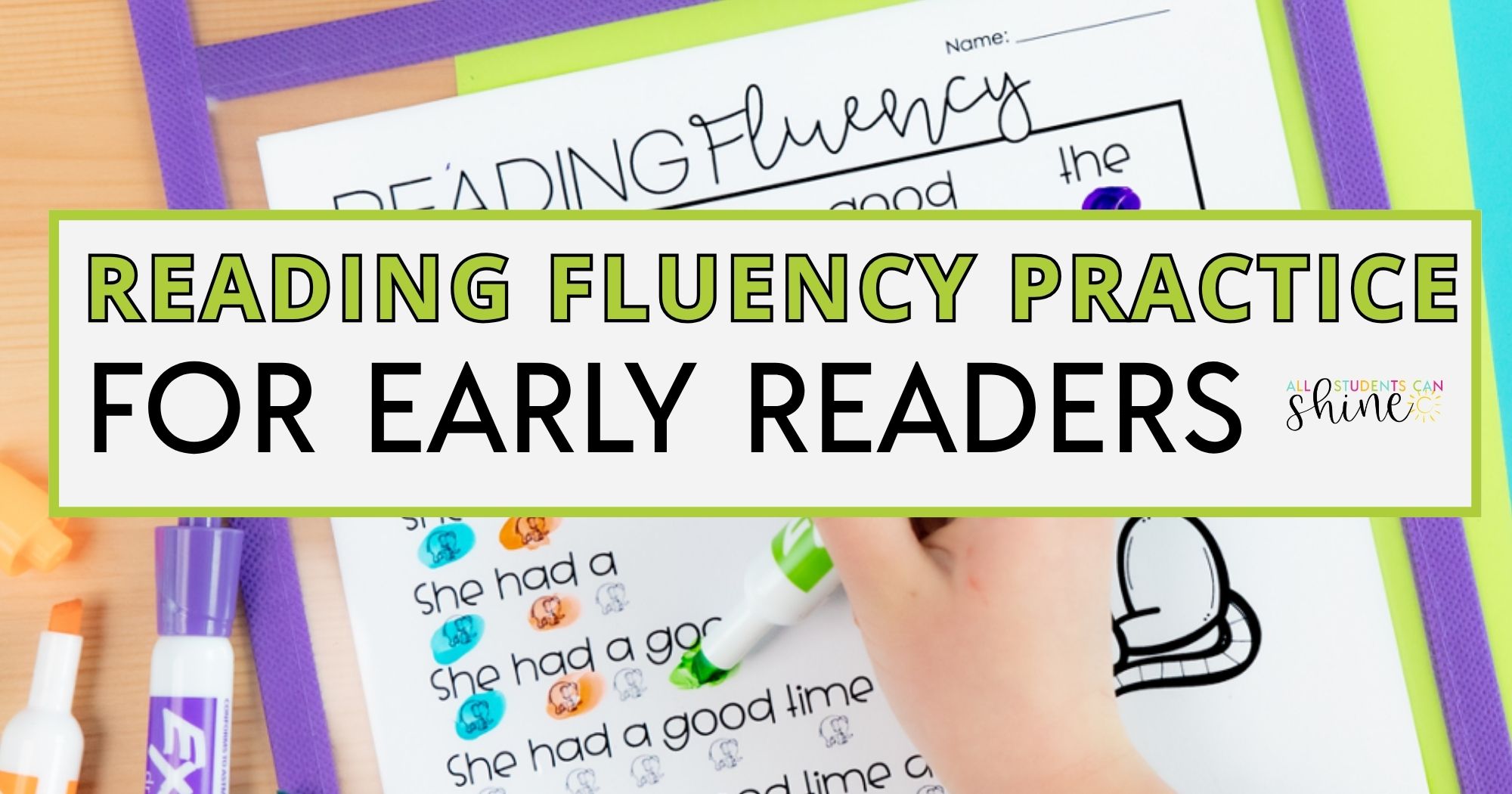
Reading Fluency Practice for Early Readers

There are so many parts to reading instruction. It can be tricky to keep them all straight if you aren’t well-practiced. Luckily I can break this one down for you! And, of course, I have some great resources to improve fluency instruction in your classroom. Eventually we want to bring

Read More »