New Freebies Every Week >>>

At Home Reading Tips to Share With Your K-2 Parents

Parent communication is a big deal for our young learners. Our students rely on parent-teacher partnerships that help them grow their skills and feel excited about learning. As teachers, we encounter all kinds of families with varying degrees of knowledge, motivation, and confidence when it comes to supporting their child’s education;

Read More »

How to Build Fluency in Minutes a Day With Decodable Text

Building reading fluency doesn’t have to mean overhauling your literacy block. In fact, just a few minutes a day with decodable text can make a big difference — especially for early and struggling readers. These short, targeted passages give students the kind of consistent, patterned practice that helps new skills

Read More »

Teaching Kids to Read and Write Great Sentences

Reading and writing literacy for our young students is one of the most important and foundational skills to build. One key part of that is learning how to write great sentences. Understanding the difference between letters, words, and sentences is a complex process that takes time. Our students need repeated

Read More »

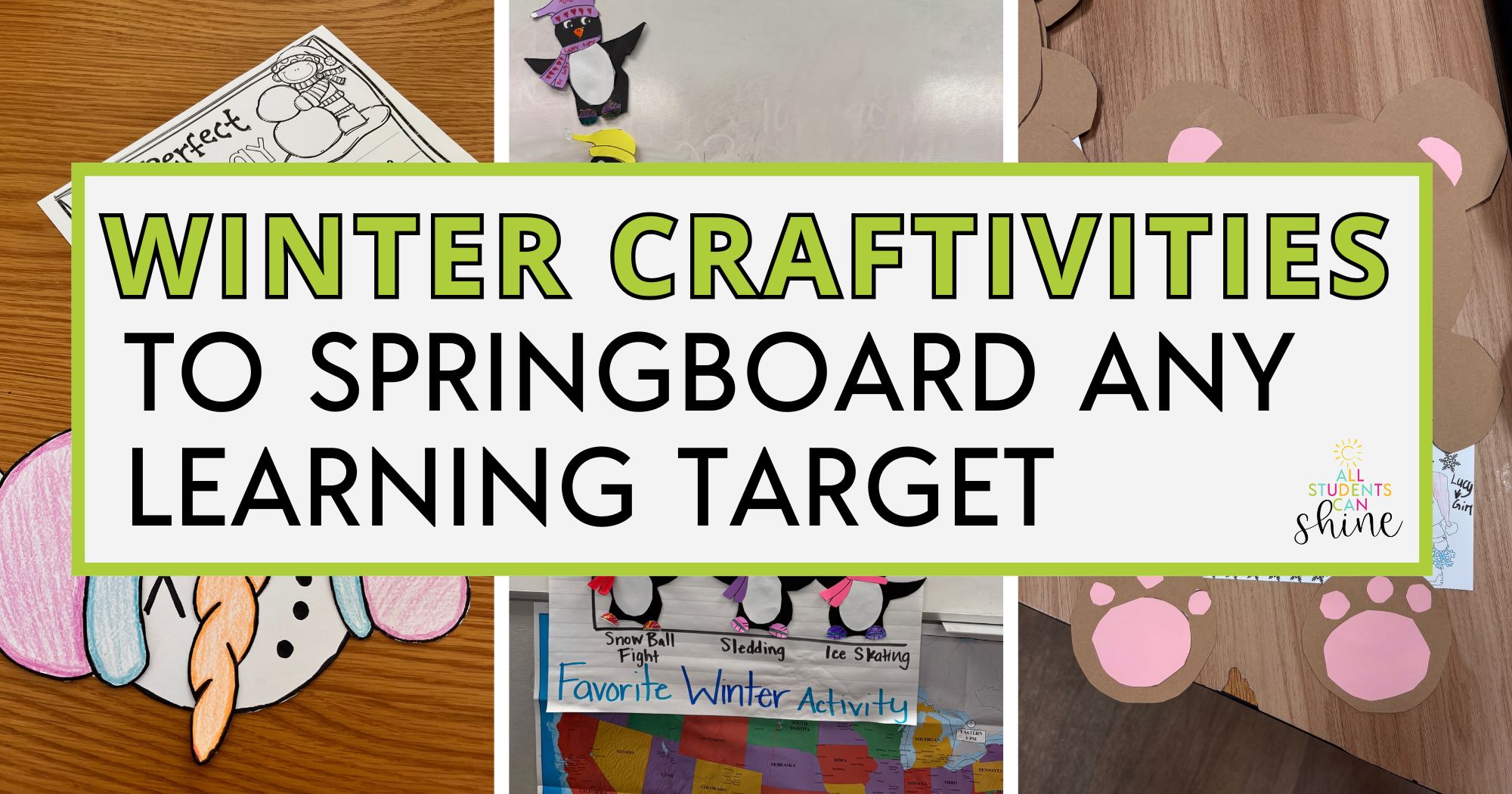
3 Winter Craftivities to Springboard Any Learning Target

Winter is the perfect season for winter craftivities that add hands-on fun to your classroom! These three winter craftivities – Hide-and-Sneak Snowman, Skating Penguin, and Winter Bear – are designed to keep your students engaged, enhance their creativity, and reinforce key skills. Whether you’re looking for quick prep crafts or

Read More »

Building Strong Number Sense For Little Learners

We all know that a solid foundation in mathematics is important to a child’s overall educational success. But helping our students go from just knowing numbers and basic concepts, to really understanding how to apply those concepts independently, and in a way that makes sense to them, is a process. 

Read More »

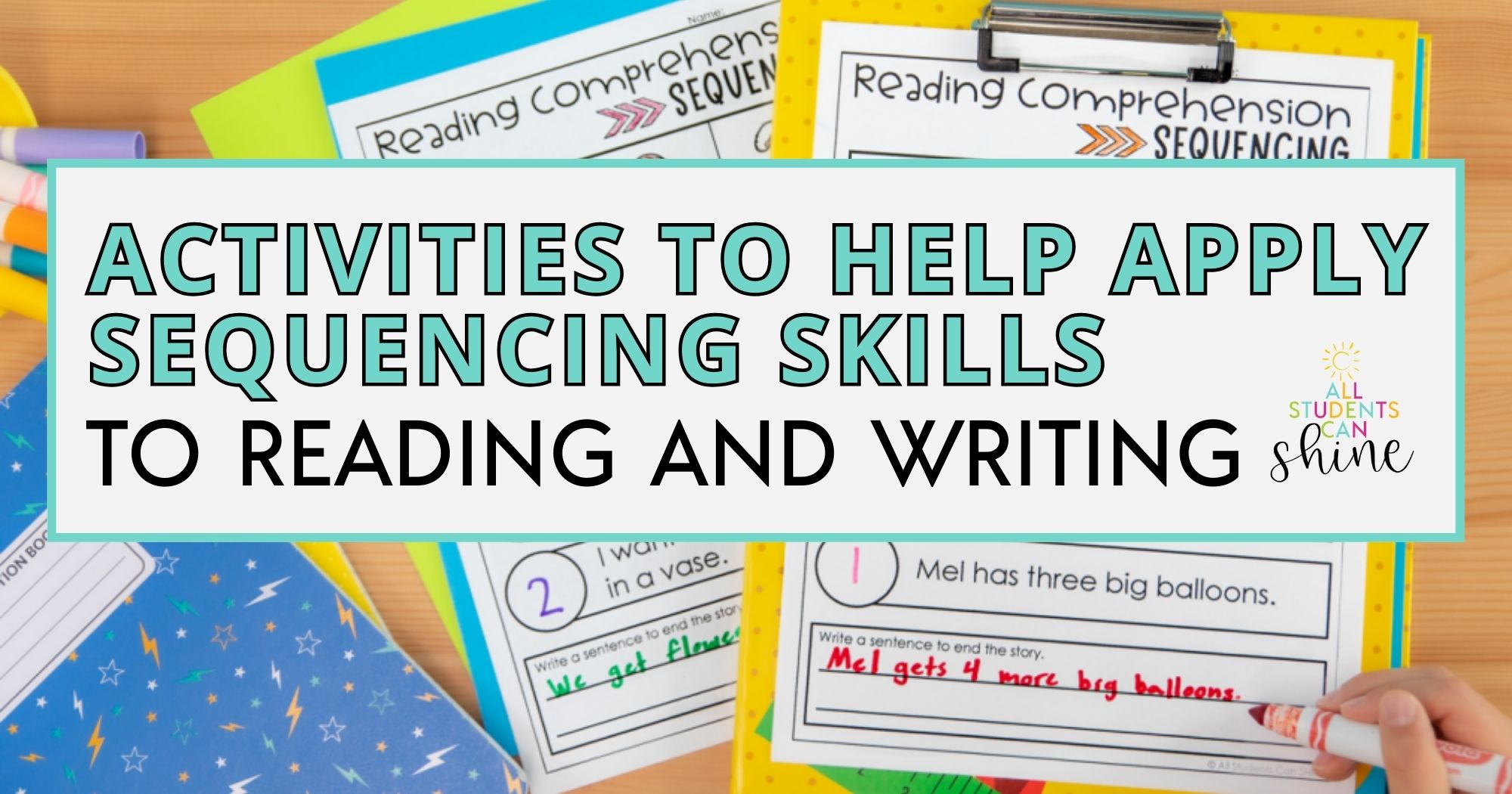
Activities to Help Apply Sequencing Skills to Reading and Writing

It’s true that sequencing is so common in our day-to-day life, recognizing patterns and putting things in order usually comes naturally for our students over time.  Even at home, whether they’re putting toys in order from biggest to smallest, or recognizing daily patterns and predicting routines; sequencing can become almost

Read More »

5 Things I Never Leave Out Of My Weekly Teaching Plans

Every week brings new dynamics to my classroom, but I always include these five key elements in my lesson plans to create an engaging and effective learning environment. 1. Hands-On Games Hands-on activities help young learners engage in visual and spatial learning. Each week, I make sure to include games

Read More »

Nonfiction Passages for Your Primary Classroom

Picture books and fictional stories can be so much fun to read with primary students, but it’s also important to expose kids to plenty of nonfiction passages. Becoming familiar with informational texts is an important “real world” reading skill, and it prepares students for upper elementary and secondary school when

Read More »

Hands On Math Centers – Love Them or Fear Them?

Are you still resisting the idea of using hands-on centers in your classroom? I get it! I was pretty nervous to implement centers. I had so many questions: how would I manage my students’ behaviors? Won’t it take a ton of prep? I don’t have time! As with many new

Read More »
error: Content is protected !!